 WOWOW Faucets
What’s the Right Faucet Adapter Bathtub Owners Need to Connect a Hose or Handheld Shower?
View Count:111 CategoryProduct
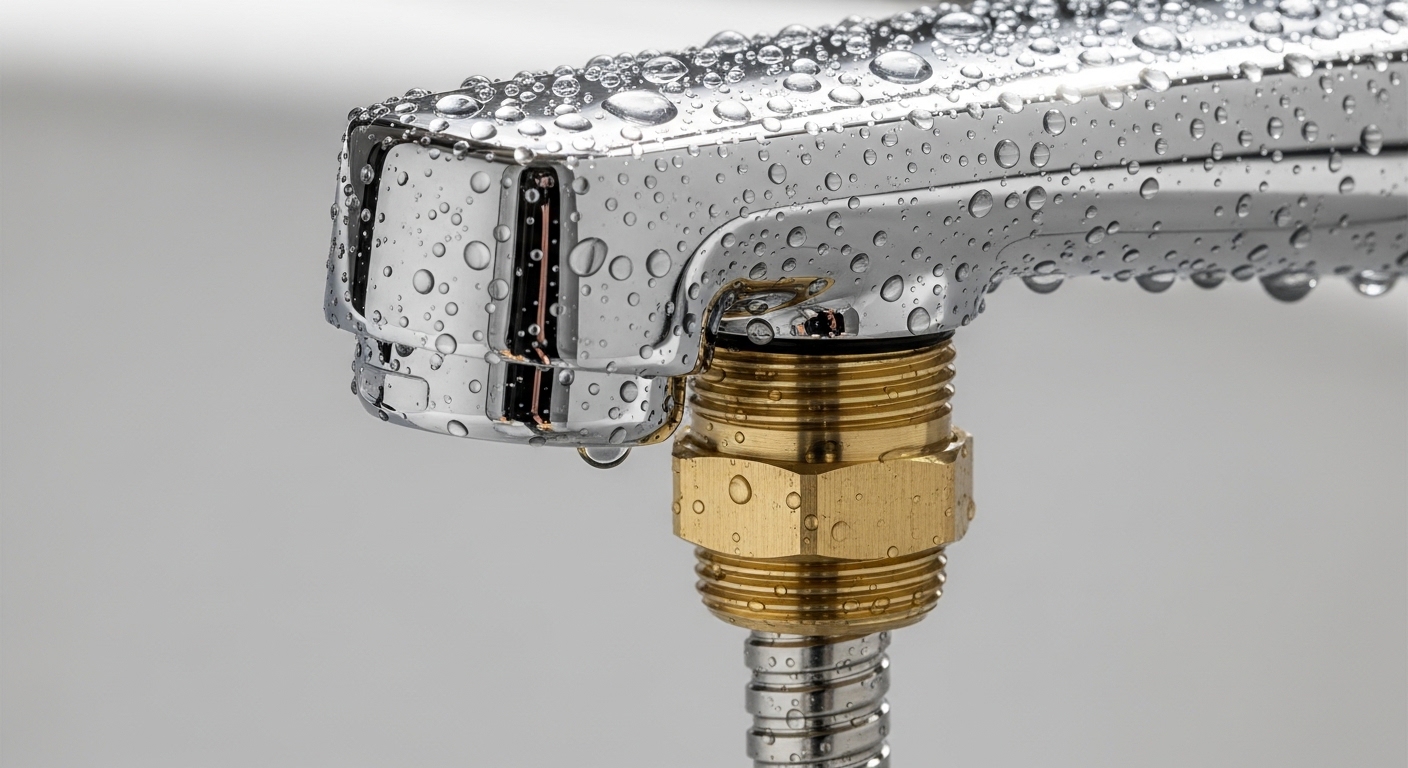
If you’ve ever tried to rinse shampoo out of a toddler’s hair, bathe a dog, or fill a bucket that won’t fit under the tap, you already know why a faucet adapter bathtub fitting is one of the cheapest, most useful plumbing add-ons you can buy. It bridges the gap between your fixed tub spout and whatever you want to connect to it — a hose, a handheld sprayer, or a quick-connect coupling — usually for $8 to $25 and about ten minutes of work, no plumber required. The catch is that “bathtub faucet adapter” isn’t one product; it’s a whole category, and buying the wrong thread size is the number-one reason these things leak or fall off. This guide walks you through exactly how to pick, measure, and install the right one.
What exactly is a bathtub faucet adapter, and what does it do?
A bathtub faucet adapter is a threaded or friction-fit connector that turns your plain tub spout into an attachment point for a hose or sprayer. In plain terms: your spout is designed to pour water straight down into the tub, and an adapter reroutes that water into something else — a handheld showerhead, a rinse hose, a pet-wash sprayer, or a hookup for a portable washer.
There are three jobs people usually buy one for:
- Adding a handheld shower to a tub-only bathroom without opening the wall or hiring a plumber.
- Rinsing tasks — washing hair, bathing kids or pets, cleaning the tub itself, or filling tall containers.
- Temporary hose hookups — connecting a portable dishwasher, a countertop washing machine, or a garden hose to bring water somewhere your plumbing doesn’t reach.
The reason there’s no single “universal” adapter is that tub spouts come in several tip styles, and each needs a different connection strategy. Get the tip type right and the rest is easy.
How do I know which faucet adapter fits my bathtub spout?
Start by looking at the very end of your spout — that tip determines everything. There are four common situations, and you can identify yours in under a minute with your fingers and (ideally) a set of calipers or a ruler.
1. Threaded tip (male or female threads at the end). Many spouts have hidden threads where the aerator or a small cap sits. If you see threads on the outside of the tip, that’s male; if the threads are recessed inside, that’s female. Aerator-style bathtub and sink adapters are usually 55/64″-27 (male) or 15/16″-27 (female) — the two most common aerator thread sizes in North America.
2. Smooth, unthreaded tip. Lots of modern tub spouts are completely smooth on the outside. These need a slip-on or clamp-style rubber adapter that grips the spout with a compression collar or hose clamp rather than screwing on.
3. Front-facing diverter spout. If your spout already has a little pull-up knob on top, you have a diverter. In that case the smartest move is often to replace the whole spout with a diverter tub spout that has a built-in handheld shower outlet — a threaded 1/2″ IPS or slip-fit connection point on the underside.
4. Garden-hose-thread need. If you’re connecting an actual garden hose or an appliance hose (3/4″ GHT), you’ll want an aerator-to-GHT adapter — the same family of fitting covered in our guide to the garden hose faucet elbow, which explains GHT threads in detail.
Quick tip: unscrew the existing aerator or cap from the spout and take it to the hardware store, or measure the outside diameter of the threads. 55/64″ is about 21.8 mm; 15/16″ is about 23.8 mm. That single measurement saves most people a return trip.
What are the different types of bathtub faucet adapters compared?
The short answer: there are four practical types — threaded aerator adapters, slip-on rubber adapters, diverter spout replacements, and quick-connect couplers. Here’s how they stack up so you can match one to your situation and budget.
| Adapter type | Best for | Fits which spout | Typical price | Leak risk |
|---|---|---|---|---|
| Threaded aerator adapter (55/64″ or 15/16″) | Handheld shower or sprayer on a threaded spout/sink | Threaded tip only | $8–$15 | Low (with tape/washer) |
| Slip-on rubber / clamp adapter | Smooth spouts, temporary rinse hoses | Unthreaded, round spouts | $10–$18 | Medium (can pop off under pressure) |
| Diverter tub spout (with handheld outlet) | Permanent handheld shower setup | 1/2″ IPS or slip-fit pipe stub | $20–$45 | Low (permanent connection) |
| Quick-connect coupler / GHT adapter | Portable appliances, garden hose | Threaded tip + GHT hose | $12–$25 | Low–Medium |
If you want the cleanest, most reliable result and you’re okay swapping the spout, the diverter tub spout wins — it’s a true permanent connection instead of something clamped onto the outside. If you rent, or you only need the hose occasionally, a threaded or slip-on adapter is the right call because it leaves no trace and installs in minutes.
How do I install a bathtub faucet adapter without leaks?
For a threaded adapter, installation takes about five to ten minutes: remove the aerator, wrap the threads with plumber’s tape, hand-tighten the adapter, then snug it a quarter-turn with pliers. The keys to a leak-free result are a clean seal surface and not over-tightening. Here’s the full sequence.
- Turn off nothing — you don’t need to shut off the main for a tub spout adapter, but do have a towel ready.
- Remove the aerator or end cap. Twist counterclockwise by hand; if it’s stuck with mineral buildup, wrap a cloth around it and use pliers gently.
- Clean the threads. Wipe away grit and old tape. If there’s crusty white scale, soak the tip in white vinegar for 15–20 minutes — our walkthrough on removing hard water deposits from faucet head buildup shows the easiest method.
- Apply PTFE (plumber’s) tape. Wrap the male threads three to four times clockwise so it doesn’t unravel when you screw on the adapter.
- Check the rubber washer. Most adapters include a small O-ring or flat washer — make sure it’s seated, not pinched or doubled up.
- Thread on the adapter hand-tight, then add just a quarter- to half-turn with pliers. Stop the moment it feels firm; cranking harder cracks plastic adapters and distorts washers.
- Connect your hose or sprayer and run the water. Watch the joint for 30 seconds. A slow drip almost always means the washer is missing or the tape is too thin — back it off and redo it rather than forcing it tighter.
If you’re swapping to a diverter tub spout instead of clamping on an adapter, that’s a slightly bigger job because you’re dealing with the wall stub. The mechanics are the same family as installing a spout on an elbow — our step-by-step on how to install a tub spout elbow the right way without leaks covers the slip-fit versus threaded stub decision that trips people up here.
Why does my bathtub faucet adapter leak or lose pressure?
Nine times out of ten it’s one of three things: a missing or worn washer, not enough plumber’s tape, or a mismatched thread size that only looks like it fits. A leak at the connection point is a seal problem; weak flow out of the sprayer is usually a pressure or restriction problem.
If it’s leaking at the joint:
- Unscrew and confirm the rubber washer is present and flat. This is the single most common miss.
- Add more PTFE tape — three to five wraps, pulled snug into the threads.
- Double-check the thread size. A 55/64″ adapter will start onto 15/16″ threads and feel “almost right,” then leak. When in doubt, take the old aerator to the store.
If flow is weak once connected: a handheld sprayer will always feel a bit lighter than an open spout because you’ve traded a big opening for lots of tiny ones — that’s normal. But if it’s genuinely feeble, the adapter’s built-in restrictor or a clogged aerator screen may be the culprit, or your home may have a broader supply issue. Our guide on why your faucet water pressure is too low and how to fix it covers how to isolate an adapter restriction from a whole-house pressure problem.
If a slip-on adapter keeps popping off: that’s water pressure pushing against a friction fit. Tighten the clamp collar, or accept that slip-on adapters are best for low-pressure rinsing tasks — for anything forceful, switch to a threaded adapter or a diverter spout.
Can I connect a garden hose or washing machine to my bathtub faucet?
Yes — with the right aerator-to-garden-hose-thread (GHT) adapter, you can run a garden hose or a portable appliance off your tub spout, which is a lifesaver in apartments and basements without a utility sink. The bathtub spout is a common water source for portable dishwashers, countertop washing machines, and even hydroponic or aquarium fill hoses.
Here’s what to keep in mind:
- You need a threaded spout tip (or a spout you can add a threaded adapter to). Smooth spouts with only a slip-on grip are risky for appliance hookups because the connection can blow off under pressure.
- Watch the temperature rating. If you’re feeding a washer with warm water, make sure the adapter and hose are rated for hot water — cheap vinyl fittings can soften.
- Mind backflow. For appliance hookups, a simple check-valve or vacuum breaker adapter prevents dirty water from siphoning back into your supply. Many jurisdictions require this for any hose connected to a potable fixture.
- Don’t leave it unattended under full pressure for long periods — these are convenience connections, not permanent plumbing.
For occasional bucket-filling and rinsing, a basic threaded GHT adapter is all you need. For a recurring appliance setup, spend the extra few dollars on one with a built-in shutoff so you’re not reaching for the tub handle every time.
Should I use an adapter or just replace the whole tub spout?
Use a clamp-on or threaded adapter if you rent, want zero permanent changes, or only need the hose occasionally; replace the spout with a diverter model if you want a clean, permanent handheld shower that won’t leak or fall off. That’s the decision in one sentence — here’s the nuance.
Adapters are reversible, cheap, and renter-friendly, but the tradeoff is that anything clamped or screwed onto the outside of a spout is inherently less elegant and slightly more leak-prone than an integrated connection. A diverter tub spout hides the handheld outlet on the underside, looks factory-original, and handles full water pressure without complaint — but you have to match the wall stub type (threaded 1/2″ IPS versus a smooth copper stub for a slip-fit spout) and you’re modifying the fixture. If you own your home and want the handheld shower to be a permanent feature, replacing the spout is almost always the better long-term choice. If you’re in a rental or just need the flexibility now and then, the adapter is the pragmatic winner.
FAQ
What size is a standard bathtub faucet adapter?
The two most common aerator thread sizes are 55/64″-27 (male) and 15/16″-27 (female) — the same standard used on many kitchen and bathroom faucets. Garden-hose-thread (GHT) adapters step those up to 3/4″ GHT for hoses. Always measure your spout’s tip or bring the removed aerator to the store, because a size that’s “close” will leak.
Can I put a handheld shower on a tub with no shower at all?
Yes. A threaded aerator adapter or a slip-on adapter lets you attach a handheld shower hose to a tub-only spout without opening the wall. For a cleaner, permanent result, swap the spout for a diverter tub spout that has a dedicated handheld outlet on the bottom — it looks built-in and won’t pop off under pressure.
Why won’t my adapter screw onto the spout?
Usually one of three reasons: the spout tip is smooth (unthreaded) and needs a slip-on adapter instead; the thread genders don’t match (you have a male adapter for a male spout, or vice versa); or the sizes are mismatched (55/64″ vs. 15/16″). Remove the aerator and check the tip carefully — if there are no threads at all, a clamp-style adapter is your answer.
Do slip-on bathtub adapters work well?
They work fine for low-pressure rinsing — washing hair, bathing pets, or cleaning the tub — but they can pop off under strong flow because they rely on friction, not threads. If you need a reliable connection for a handheld shower or an appliance, choose a threaded adapter or a diverter spout instead.
Will an adapter reduce my water pressure?
A handheld sprayer will always feel a little softer than an open spout because it splits the flow into many small holes, and some adapters include a flow restrictor. That’s normal. If the flow is genuinely weak, check for a clogged aerator screen or mineral buildup first, and rule out a broader supply issue before blaming the adapter.
Is plumber’s tape necessary on a bathtub faucet adapter?
For threaded connections, yes — three to four clockwise wraps of PTFE (plumber’s) tape create a reliable seal and prevent the slow drips that plague these fittings. The rubber washer handles most of the sealing, but tape is cheap insurance. Slip-on clamp adapters don’t use tape; they seal with a compression collar instead.
The bottom line
A bathtub faucet adapter is a small, inexpensive fitting that solves a surprisingly big list of problems — from adding a handheld shower to a rental to filling a bucket that won’t fit under the tap. The whole game is matching the adapter to your spout’s tip: measure the threads (or the lack of them), pick a threaded, slip-on, diverter, or GHT adapter accordingly, seal it properly with a washer and PTFE tape, and you’ll have a leak-free connection in under ten minutes. When you want a permanent handheld setup, a diverter spout beats any clamp-on option — but for flexibility and zero commitment, a good threaded adapter is hard to beat.
Author’s note: This guide was written by the WOWOW Faucet product team, drawing on hands-on installation testing across dozens of tub spout and adapter combinations. WOWOW designs and manufactures faucets and bathroom fixtures built to ANSI/NSF-61 and cUPC standards, with lead-free brass waterways and a limited lifetime warranty on finish and function — so the specs and thread sizes here reflect real-world fixtures, not guesswork. When in doubt about your specific spout, our support team can help you identify the correct adapter thread size before you buy.
您好!Sign In