 Faucet Online
Is a Faucet Extender Plastic Attachment Actually Worth It, or Should You Buy Metal?
View Count:33 CategoryProduct
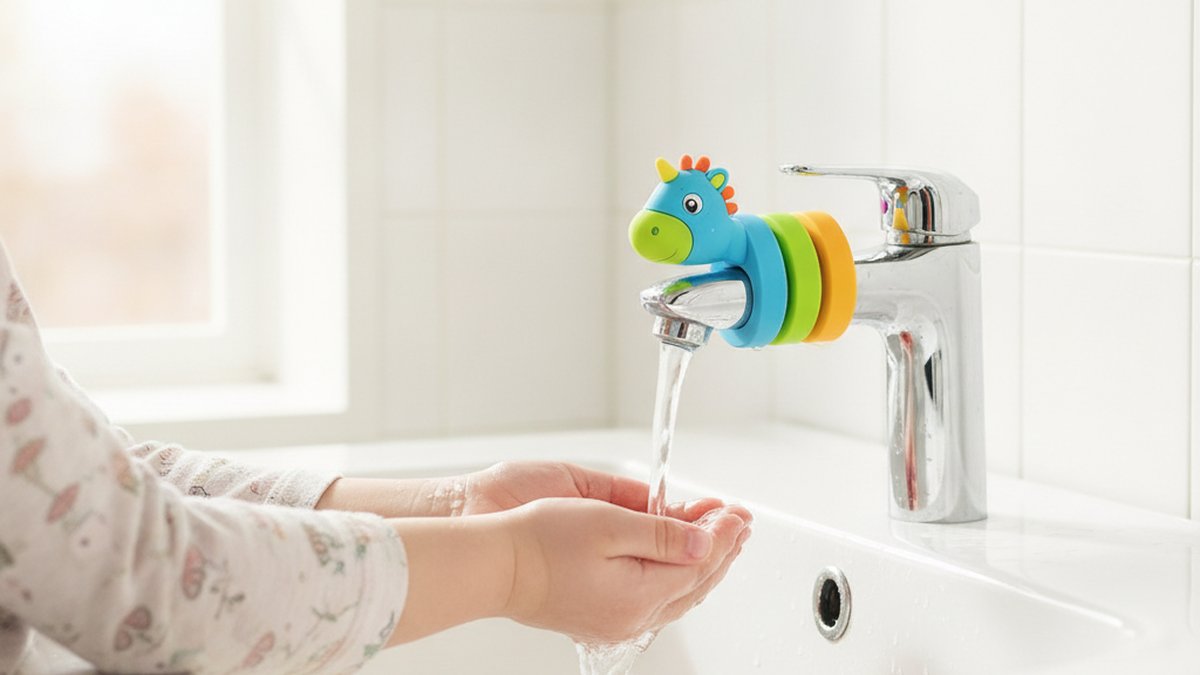
A faucet extender plastic attachment is a small, flexible spout cover — usually silicone or ABS plastic — that clips or slides onto the end of your existing faucet to redirect the water forward and down. It’s the single cheapest fix for a bathroom sink that a toddler can’t reach, and it’s the go-to for parents, small apartments, and RV or camper sinks where the faucet sits too far back over the basin. You’re not replacing anything or touching the plumbing; you’re just extending where the water lands.
But “plastic” covers a huge range of quality, and the wrong one leaks, pops off, or cracks in a month. Below I’ll answer the real questions people ask before buying one: whether plastic is safe, how it compares to metal, what actually fits your faucet, and how to install it so it doesn’t fly off the first time a kid grabs it.
What Exactly Does a Faucet Extender Do, and Who Actually Needs One?
A faucet extender moves the water stream 2–4 inches forward and slightly downward so it lands closer to the front edge of the sink instead of at the back wall. That’s the whole job — it doesn’t boost pressure or filter water. You need one if anyone in your house has to lean, stretch, or climb to reach the water.
The most common buyers are:
- Parents of toddlers — a child can wash hands standing at the sink instead of being lifted up, which builds independence and cuts down on splashing over the counter edge.
- Small or deep-basin bathrooms — where the faucet is mounted far back and the stream hits the porcelain instead of your hands.
- RV, camper, and boat owners — tight galley sinks where you need the water pulled forward to fill a bottle or wash a mug.
- Elderly or limited-mobility users — anyone who can’t comfortably reach deep into a basin.
- Pet owners — filling a low bowl or rinsing paws is easier when the stream reaches past the basin lip.
If your problem is a stiff, short pull-out sprayer on a kitchen faucet rather than reach on a bathroom faucet, that’s a different fix — a spray hose extension. We cover that in our guide on whether a faucet extender pull out kit is the fix for a short, stiff sink sprayer. A plastic spout extender and a pull-out hose extender solve two different problems, so match the tool to your actual complaint.
Is a Plastic Faucet Extender Safe for Drinking Water and Kids?
Yes — as long as it’s labeled BPA-free and made from food-grade silicone or food-grade ABS. Those materials are the same class of plastic used in baby bottles, sippy cups, and refrigerator water lines, and they’re rated for direct contact with potable water. The safety issue isn’t plastic itself; it’s cheap, unlabeled plastic that may off-gas or leach.
Here’s what to look for on the listing or packaging before you trust it for a child’s sink:
- “BPA-free” stated explicitly — not just implied.
- Food-grade silicone or food-grade ABS — silicone is the softer, kid-friendly cartoon-shaped type; ABS is the harder clip-on type.
- An FDA-contact or NSF/ANSI 61 mention — NSF 61 is the U.S. standard for drinking-water system components. Not every $8 extender carries it, but a reputable brand will reference food-contact testing.
- No strong chemical smell out of the package — a persistent plastic odor is a red flag; rinse it and let it air out before first use.
One practical habit: because these attachments sit in a warm, wet spot, they can grow pink or black biofilm inside if you never clean them. Pop the extender off once a week, rinse it, and let it dry. Silicone models can go in the top rack of the dishwasher; most hard-plastic clip-ons should be hand-washed. This is the same mineral-and-gunk buildup you get inside any aerator — the approach in our guide to removing hard water deposits from faucet head buildup works here too: a short soak in white vinegar clears the crust.
Plastic vs. Metal Faucet Extender — Which Should You Actually Buy?
Buy plastic if you want the cheapest, kid-friendly, no-tools fix for a bathroom sink used a few times a day. Buy a metal (brass or stainless) extender if you need it running for long stretches, under strong water pressure, at higher temperatures, or as a semi-permanent fixture. Plastic wins on price and softness; metal wins on durability and heat resistance.
Here’s the honest side-by-side:
| Factor | Plastic / Silicone Extender | Metal (Brass/Stainless) Extender |
|---|---|---|
| Typical price | $6–$15 | $12–$30 |
| Attachment | Clip-on or push-fit, no tools | Usually threaded, may need a wrench |
| Best for | Kids, occasional use, RVs, rentals | Daily heavy use, higher pressure, permanent setup |
| Heat tolerance | Softens/warps with very hot water over time | Handles hot water indefinitely |
| Durability | 1–3 years; can crack or lose grip | 5+ years; won’t crack |
| Kid safety | Soft edges, fun shapes, no sharp metal | Harder edges, colder to touch |
| Leak risk | Higher if grip loosens | Lower with a proper threaded seal |
For most people asking about a “faucet extender plastic” in the first place, plastic is the right call — you’re solving a reach problem for a child, and you want soft, cheap, and instant. The plastic extender’s weakness (heat and long-run durability) rarely matters at a bathroom hand-washing sink. It only becomes a problem if you leave scalding water running through it for minutes at a time, which you shouldn’t around kids anyway.
Will a Plastic Faucet Extender Fit My Faucet?
Most plastic extenders fit standard round bathroom faucet spouts because they either clip over the outside of the spout or push onto the tip — they don’t rely on matching internal threads. The main thing that won’t fit cleanly is a wide, square, or waterfall-style spout, or a pull-down kitchen faucet with a large sprayer head.
Before you buy, check three measurements on your faucet:
- Spout tip diameter — clip-on silicone extenders flex to fit roughly ½” to 1″ round tips. Measure across the very end of your spout.
- Spout shape — round works best. Flat, square, or oversized spouts often won’t seal.
- Aerator thread size (only for threaded models) — if you’re buying a threaded plastic extender that screws on where the aerator sits, the two common U.S. sizes are 15/16″-27 (regular male) and 55/64″-27 (regular female). Threaded extenders give a firmer hold than clip-ons but require matching this size.
If your faucet’s aerator threads are worn, corroded, or the wrong size for a threaded extender, an aerator adapter solves it — the same category of small threaded fitting we walk through in our piece on the right faucet adapter bathtub owners need to connect a hose or handheld shower. The thread-matching logic is identical: get the diameter and gender right, and almost anything screws on.
How Do You Install a Plastic Faucet Extender (and Keep It From Leaking)?
Installing a clip-on plastic faucet extender takes under a minute and no tools: clean the spout, slide or clip the extender onto the tip, and run the water to check the stream. Leaks almost always come from a loose grip or a mismatched size, not from a defect — so the fix is getting a snug fit.
Step by step for a clip-on or push-fit model:
- Turn off the faucet and wipe the spout tip dry so the extender grips clean metal.
- Push or clip the extender onto the spout end until it seats fully — most have a lip or collar that should sit flush against the spout.
- Turn the water on low first. Watch where the stream lands and rotate the extender to aim it forward and down.
- Turn pressure up gradually. If it wobbles or sprays sideways, it’s not seated — reseat it or size down.
- Check for drips where the extender meets the spout. A little seepage on a clip-on is normal at full blast; a steady leak means the fit is too loose.
For a threaded plastic extender that screws on in place of the aerator: unscrew the existing aerator by hand (or with a cloth-wrapped pliers), wrap the extender’s threads with a couple turns of plumber’s PTFE tape, and hand-tighten. Don’t over-torque plastic threads — they strip easily. If water sprays past the threads, add one more wrap of tape rather than cranking harder.
If your extender drips no matter what you do, and the faucet itself was already dripping before you added it, the extender isn’t the culprit — you’ve got a worn cartridge or washer upstream. Our guide on how to fix a leaky faucet without calling a plumber covers diagnosing that. And if the stream out of the extender feels weak, the problem is usually a clogged aerator behind it, not the extender — see why faucet water pressure is too low and how to fix it.
How Long Does a Plastic Faucet Extender Last, and When Should You Replace It?
A quality plastic or silicone faucet extender lasts 1–3 years with normal bathroom use. Replace it when the grip loosens enough to leak, when the silicone stiffens or cracks, or when you can’t get the interior clean anymore. At $6–$15, replacement is cheaper than fighting a tired one.
Signs it’s time for a new one:
- It won’t stay put — the clip has stretched and it pops off under pressure.
- Cracks or splits in the silicone, usually near the clip where it flexes most.
- Persistent pink or black film inside that won’t scrub out.
- Discoloration or a rubbery smell — signs the material is breaking down, especially from repeated hot water.
You can stretch its life by using warm rather than scalding water through it, popping it off to dry between heavy uses, and doing a monthly vinegar soak to clear minerals. Silicone tolerates that routine far better than the hard, brittle bargain plastics that crack at the clip.
FAQ
Is a plastic faucet extender safe for hot water?
For normal warm hand-washing temperatures, yes. Food-grade silicone handles typical hot-tap water fine. What shortens its life is running very hot water (over ~140°F) through it for long stretches — the plastic can soften, warp, and lose its grip over time. If you routinely run near-boiling water, choose a brass or stainless extender instead.
Will a plastic faucet extender reduce my water pressure?
Not meaningfully. An extender just redirects the existing stream — it doesn’t restrict flow unless its internal channel is narrower than your aerator. If you notice weaker flow after installing one, the real cause is almost always mineral buildup in the aerator behind it, not the extender itself. Clean the aerator and the pressure returns.
Can I put a plastic faucet extender on a kitchen faucet?
Sometimes, but it’s usually the wrong tool. Kitchen faucets often have wide or pull-down spouts that clip-on extenders don’t fit, and the reach problem there is different. For a short or stiff kitchen sprayer you want a pull-out hose extension, not a spout cover. For a standard-tip kitchen faucet, a threaded plastic extender can work if the aerator thread size matches.
Do plastic faucet extenders fit all faucets?
No. They fit most standard round bathroom spouts because they clip or push on, but they struggle with square, flat, waterfall, and oversized spouts. Threaded models must match your aerator’s thread size — commonly 15/16″-27 male or 55/64″-27 female in the U.S. Measure your spout tip and check the shape before buying.
How do I stop my faucet extender from leaking at the base?
For clip-on models, make sure the extender is pushed fully onto a dry, clean spout — most leaks are just a loose or partial fit, so reseat it or size down. For threaded models, wrap two turns of PTFE plumber’s tape on the threads and hand-tighten only. If the faucet leaked before you added the extender, the extender isn’t the problem — you likely have a worn cartridge or washer.
Are silicone and plastic faucet extenders the same thing?
They’re closely related and often sold under the same “plastic faucet extender” label. Silicone is a soft, flexible type of the category — it’s the cartoon-animal, kid-friendly style that clips on and squishes to fit. Hard ABS plastic is firmer and sometimes threads on. Both are safe when food-grade and BPA-free; silicone is gentler for children and easier to clean, while hard plastic holds a fixed shape better.
The Bottom Line: Is Plastic the Right Choice?
For the job most people are buying it for — helping a small child or short-reach user get to the water at a bathroom sink — a food-grade, BPA-free plastic or silicone faucet extender is the smart, cheap, no-tools answer. It costs less than a takeout lunch, installs in under a minute, and comes off just as fast when you don’t need it. Reserve metal for high-heat, high-pressure, or all-day-use situations where soft plastic would eventually warp or slip.
Whatever you pick, match it to your spout shape and size, choose a labeled food-grade material, and give it a quick clean each week. Do that and a $10 plastic extender will quietly do its one job for years.
About the author: This guide was written by the WOWOW Faucet product team, which designs, tests, and sells kitchen and bathroom faucets, shower systems, and fixture accessories. Our team evaluates spout and aerator accessories for fit, flow, and material safety, and we build our products to meet U.S. plumbing standards including cUPC certification and lead-free (NSF/ANSI 372) requirements, backed by our limited warranty. When we recommend a material spec — like food-grade silicone or a specific aerator thread size — it comes from hands-on bench testing across dozens of faucet spout profiles, not guesswork.
您好!Sign In