 Faucet Online
Is a Bathtub Faucet Brass Build Actually Worth It, or Should You Just Buy Cheaper?
View Count:22 CategoryProduct
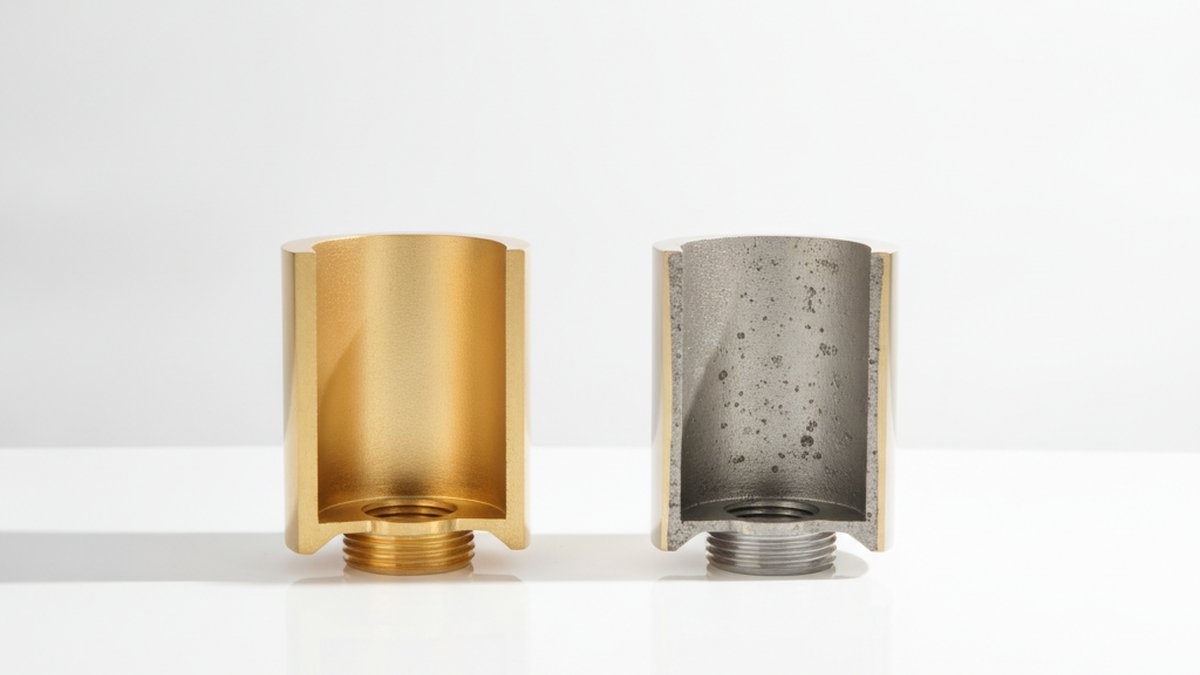
If you’ve been comparing tub fillers online, you’ve probably noticed that a bathtub faucet brass model costs more than a shiny lookalike at half the price — and you’re wondering whether that premium is real engineering or just marketing. Here’s the honest answer: brass is the material plumbers quietly recommend, because it’s the body metal that survives constant temperature swings, mineral-heavy water, and years of on/off use without turning brittle. The finish you see on the outside (chrome, brushed nickel, matte black, brushed gold) is just plating. What decides whether your faucet lasts is the metal underneath that plating — and brass wins that fight almost every time.
Below, I’ll walk you through exactly when brass is worth paying for, when a cheaper option is genuinely fine, how to tell “solid brass” from “brass-look zinc,” and which specs to check before you buy. Think of this as the conversation you’d have with a plumber friend who has no reason to upsell you.
What does “brass” actually mean on a bathtub faucet — is it solid or just plated?
“Brass” on a spec sheet can mean two very different things: a solid brass body (the whole waterway is cast from brass), or a brass finish (a gold-ish plating over a cheaper metal like zinc alloy). These are not the same, and the difference is exactly where budget shoppers get burned.
Brass is an alloy of copper and zinc. When it’s used as the actual body of the faucet, water flows through a corrosion-resistant, dimensionally stable metal that shrugs off heat and minerals. When “brass” only describes the color on the outside, the water may still be running through a zinc casting that corrodes from the inside out. So when you read a listing, look for the phrase solid brass or brass body/waterway — not just a finish name like “brushed brass” or “antique brass,” which describe appearance, not construction.
- Solid brass body: the metal the water touches is brass. Best durability. What you want for a tub filler.
- Brass finish / brass-tone: a color of plating (often over zinc). Says nothing about the body metal.
- Lead-free brass (e.g. C46500 / low-lead alloys): brass reformulated to meet potable-water lead limits — the modern standard.
Quick garage test if you already own the faucet and want to know what’s inside: brass is noticeably heavier and denser than zinc for the same size, and a strong magnet won’t stick to solid brass (it won’t stick to zinc either, so weight is the better tell). A genuinely solid-brass tub spout feels surprisingly hefty in your hand.
Is a solid brass bathtub faucet worth the extra money for a tub you use every day?
Yes — for a primary bathroom tub used daily, a solid brass bathtub faucet is worth the extra $40–$120 because it directly buys you years of leak-free life and better resistance to hard-water damage. The math works out in your favor fast: replacing a failed zinc faucet in year 4 costs you the price of a new faucet plus the labor or the weekend to redo it.
Where brass earns its keep:
- Hard water areas: minerals and slightly acidic water attack zinc castings from the inside. Brass holds up dramatically longer.
- Hot water and temperature swings: brass expands and contracts predictably; zinc gets brittle and can crack around threads.
- High-use tubs: kids’ bath time, daily soaks — every on/off cycle stresses the valve and body. Brass handles the cycles.
- Wall-mount and freestanding fillers: these carry more weight and leverage; you want a rigid brass body so the spout doesn’t loosen or sag over time.
Where cheaper is genuinely fine: a guest bathroom tub that gets used a few times a year, a short-term rental you’ll renovate soon, or a staging situation where looks matter more than a 20-year lifespan. In those cases a well-reviewed zinc-body faucet with a decent cartridge can be a reasonable call. Just go in knowing you’re trading longevity for upfront savings.
How long does a brass bathtub faucet last compared to zinc or plastic?
A quality solid brass bathtub faucet typically lasts 15–20+ years, while a zinc-alloy body commonly starts failing at 3–8 years and plastic-bodied fillers are usually the first to go. The body metal is the single biggest predictor of lifespan — more than brand, more than finish, more than price alone.
| Body material | Typical lifespan | Hard-water resistance | Relative cost | Best for |
|---|---|---|---|---|
| Solid brass (lead-free) | 15–20+ years | Excellent | $$–$$$ | Daily-use primary tubs, freestanding fillers |
| Stainless steel | 15–20 years | Excellent | $$$ | Modern/industrial looks, corrosion-heavy areas |
| Zinc alloy (brass-look) | 3–8 years | Poor–fair | $ | Low-use guest tubs, staging, short-term rentals |
| Plastic / composite | 2–5 years | Poor | $ | Temporary fixes only |
One nuance worth understanding: the cartridge (the valve that actually starts and stops the water) is a separate wear part with its own lifespan, and even the best brass faucet may need a cartridge swap once or twice over its life. The good news is that on a brass body, a cartridge replacement is a $15–$40 fix, not a reason to toss the whole faucet. On a corroded zinc body, the cartridge often seizes into the metal and the whole unit becomes disposable. That’s the hidden long-term value of brass: it keeps the faucet repairable.
Which finish should I get on a brass bathtub faucet, and does the finish affect durability?
Choose the finish for your bathroom’s style, but know that the plating over the brass — not the brass itself — is what scratches or spots, so the finish quality matters as much as the metal. Brushed/satin finishes hide water spots and fingerprints best; polished chrome is the most durable and easiest to clean; matte black and brushed gold look fantastic but show hard-water spotting faster and need gentler care.
| Finish | Look | Spot / fingerprint hiding | Care level |
|---|---|---|---|
| Polished chrome | Bright, classic, mirror-like | Fair | Easiest — wipe and go |
| Brushed nickel | Warm satin silver | Excellent | Easy |
| Brushed gold / champagne bronze | Warm, upscale | Good | Moderate — avoid abrasives |
| Matte black | Modern, bold | Good for prints, shows mineral spots | Moderate — soft cloth only |
For durability, look for the plating method: PVD (Physical Vapor Deposition) finishes are dramatically more scratch- and tarnish-resistant than standard electroplating, and most reputable brands now use PVD on their premium brass faucets. If a listing mentions PVD, that’s a green flag. If you’re leaning gold, it’s worth reading how a warm finish wears in real bathrooms before committing — our breakdown of whether a Moen brushed gold lav faucet is worth it for a bathroom refresh covers the finish-care realities that apply to gold tub fillers too. And if your finish ever does pick up a chip, know that touch-up isn’t always the miracle it’s sold as — here’s an honest look at whether faucet touch-up paint actually works for chips and scratches.
What specs should I check before buying a brass tub faucet — mounting, valve, and flow?
Before you buy, match four things: the mounting type (deck-mount, wall-mount, or freestanding), the valve/rough-in it needs, the spout reach and height, and the flow rate. Getting the mounting and valve wrong is the number-one reason a beautiful faucet ends up unusable in the box.
- Mounting type. Deck-mount sits on the tub rim or deck; wall-mount comes out of the wall above the tub; freestanding stands on the floor beside a standalone tub. These are not interchangeable — your plumbing rough-in has to match.
- Valve / rough-in. Many tub-and-shower faucets need a separate in-wall valve body, and tub fillers need supply lines at the right spacing. Confirm whether the valve is included or sold separately, and whether your existing rough-in fits.
- Spout reach & height. The spout has to clear the tub rim and pour into the tub, not behind it. Measure from your supply outlet to where you want water to land.
- Flow rate (GPM). Tub fillers are usually higher-flow than sink faucets (often 4–6+ GPM) so the tub fills in a reasonable time. If you have a large soaking tub, prioritize flow.
- Connection & threads. Standard 1/2″ NPT or compatible connections; check whether you’ll need a hose or handheld adapter.
Two related jobs trip people up during install. First, if you’re doing a wall-mount setup, the tub spout has to seat cleanly on its elbow or you’ll get a slow leak inside the wall — our step-by-step on how to install a tub spout elbow the right way without leaks is worth reading before you cut anything. Second, if you want to add a handheld sprayer or fill a bucket from the tub, you’ll need the right connector — this guide to the faucet adapter bathtub owners need to connect a hose or handheld shower saves a lot of returns.
How do I keep a brass bathtub faucet looking new — especially with hard water?
Wipe it dry after use and clean it with mild soap and a soft cloth — that alone prevents 90% of the hard-water spotting and finish dulling people complain about. Brass is corrosion-resistant, but the plating on top can still be etched by harsh chemicals and abrasives, so the care rules are about protecting the finish.
- Do: use warm water, mild dish soap, and a microfiber cloth. Dry after use in hard-water homes.
- Do: for stubborn mineral buildup, use a 50/50 white vinegar solution briefly, then rinse thoroughly — but skip vinegar on matte black and some PVD golds where the manufacturer advises against acids.
- Don’t: use bleach, ammonia, abrasive pads, or scouring powders — they strip and scratch plating.
- Don’t: let mineral deposits sit for weeks; they etch permanently.
If your tub spout or aerator is already crusty and spitting, you don’t need to replace anything yet — the same mineral-removal approach that works on kitchen spouts works here. Our walkthrough on removing hard water deposits from faucet head buildup for good uses cheap household stuff and restores flow without damaging the finish.
Brass vs. stainless steel for a bathtub faucet — which is better?
For most bathrooms, solid brass is the better all-around choice because it’s easier to machine into intricate shapes, comes in the widest range of finishes, and is simple to repair; stainless steel is the pick if you specifically want a raw industrial look or you’re in an extremely corrosive environment like a coastal home. Both are excellent, long-lived body metals — this is a preference decision, not a good-vs-bad one.
Brass advantages: broader finish selection (gold, bronze, black, nickel, chrome), quieter operation, and a long track record of repairable valves and cartridges. Stainless advantages: no plating to wear off if you choose brushed stainless, and top-tier corrosion resistance. The one thing to avoid in either category is a “stainless-look” or “brass-look” faucet with a zinc body hiding underneath — read the construction line, not just the finish name.
FAQ
Is a brass bathtub faucet safe for drinking-quality water — what about lead?
Yes, as long as it’s lead-free brass, which is the legal standard for new faucets sold in the U.S. under the Safe Drinking Water Act (the “lead-free” limit is a weighted average of ≤0.25% lead on wetted surfaces). Reputable brands make their brass bodies from certified low-lead alloys and often carry NSF/ANSI 61 and 372 certification. Older or uncertified imported brass can contain more lead, so buy from brands that publish their certifications.
How can I tell if a “brass” faucet is really solid brass and not zinc?
Weight is the best tell — solid brass is noticeably heavier and denser than zinc for the same size and shape. On the listing, look for the words “solid brass body” or “brass waterway,” not just a finish name like “brushed brass.” If a faucet is suspiciously light and suspiciously cheap, it’s almost certainly a zinc casting with brass-colored plating.
Do brass bathtub faucets tarnish or turn green over time?
Modern plated brass faucets don’t tarnish or patina unless you buy an intentionally “living finish” (unlacquered/raw brass) that’s designed to age. Standard chrome, nickel, gold, and black finishes over brass stay stable for years with basic wiping. The green corrosion people fear comes from cheap metals and neglected hard-water buildup, not from quality plated brass used normally.
Can I replace just the cartridge in a brass tub faucet instead of the whole thing?
Almost always, yes — that’s one of the biggest advantages of a brass body. Because brass resists internal corrosion, the cartridge usually comes out cleanly, so a drip or a stiff handle is a quick, inexpensive fix rather than a full replacement. Match the cartridge to your faucet model, shut off the water first, and it’s typically a 20–30 minute job.
What’s a fair price for a good solid brass bathtub faucet in 2026?
Expect roughly $90–$180 for a solid brass deck-mount tub filler, $150–$350 for a wall-mount or tub-and-shower combo, and $250–$700+ for a freestanding floor-mount filler, depending on finish and brand. If you see a “solid brass” freestanding filler for $60, be skeptical — that price point is almost always a zinc body with brass-look plating.
The bottom line: is brass the right call for your tub?
If the tub gets real, regular use — especially in a hard-water home — a solid brass bathtub faucet is the smart buy. You’re paying a modest premium now to avoid a corroded, seized, leaking faucet in four or five years, and you’re keeping the faucet repairable for the long haul. Match the mounting type and valve to your rough-in, pick a PVD finish you’ll enjoy cleaning, confirm it’s lead-free certified, and you’ll have a tub filler that outlives most of the rest of your bathroom.
Author’s note: This guide was written by the WOWOW Faucet product team, drawing on hands-on testing of tub fillers across chrome, brushed nickel, matte black, and brushed gold finishes, plus installation feedback from real customers and plumbers. WOWOW builds fixtures with solid, lead-free brass bodies certified to U.S. potable-water standards (NSF/ANSI 61 & 372), backs them with a manufacturer warranty, and stress-tests cartridges through tens of thousands of open/close cycles before they ship. When we say brass lasts, it’s because we’ve watched it do so under load — not because it sounds good on a label.
您好!Sign In