 Faucet Online
What Is a Shower Faucet Unit, and Which One Should You Actually Buy in 2026?
View Count:13 CategoryProduct
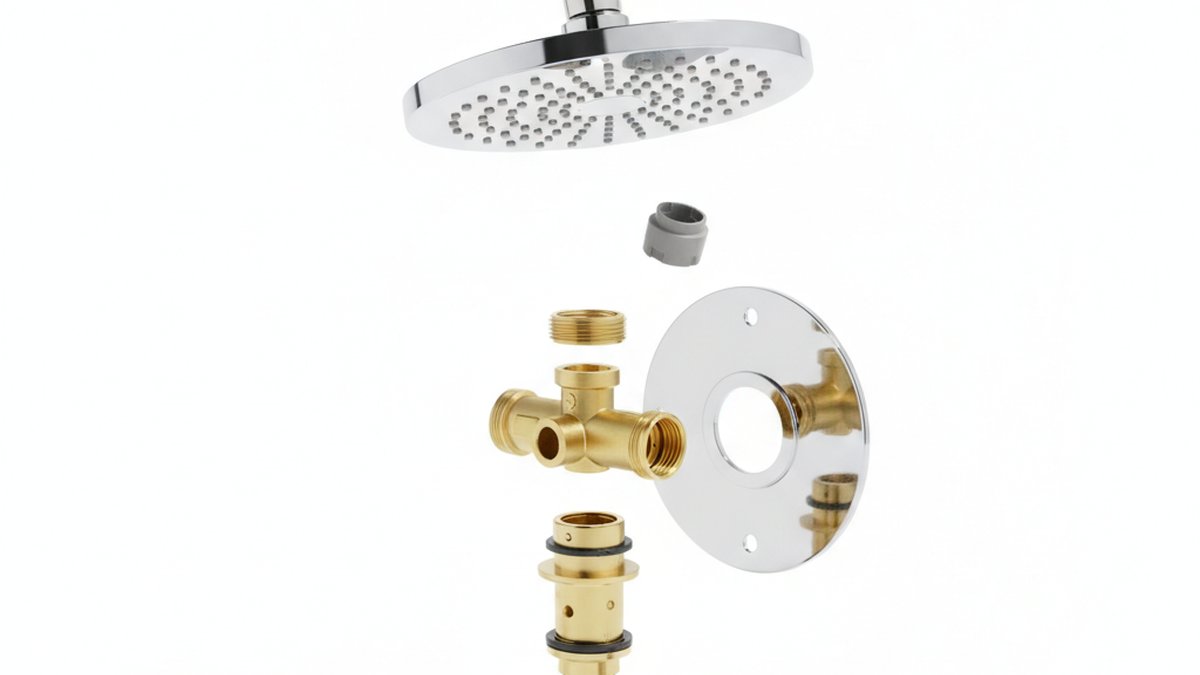
If you’ve been shopping for a shower faucet unit and feel buried under words like “rough-in valve,” “pressure balance,” “thermostatic,” and “trim kit,” you’re not alone. The truth is simpler than the jargon makes it sound, and getting it right the first time saves you from cutting open a tiled wall later. This guide breaks down exactly what a shower faucet unit is, which type fits your bathroom and budget, and how to avoid the single most common (and expensive) buying mistake.
What exactly is a shower faucet unit — and what parts come with it?
A shower faucet unit is the full assembly that controls water flow and temperature in your shower. It has two halves: the valve body that hides inside the wall, and the trim that mounts on the finished wall surface. When people say “shower faucet unit,” they usually mean the two sold together as a matched system.
Here’s what a typical complete unit includes:
- Rough-in valve body — the brass or metal housing plumbed to your hot and cold supply lines. This is the heart of the unit and stays in the wall permanently.
- Cartridge — the replaceable internal part that mixes hot and cold and regulates flow. This is the piece you’ll eventually service if the shower drips.
- Handle(s) — one lever for single-handle units, or separate temperature and volume controls on more advanced setups.
- Escutcheon / trim plate — the decorative round or square plate that covers the wall opening around the valve.
- Shower head and arm — and on tub-shower combos, a tub spout with a diverter.
Some units are sold as trim-only (you reuse or buy the valve separately), and some are complete kits. If you want the full breakdown of every component and how they fit together, our guide on what exactly comes in a shower faucet set walks through each piece in detail.
What’s the difference between a pressure-balance and a thermostatic shower faucet unit?
A pressure-balance unit keeps water temperature steady by reacting to pressure changes (so you don’t get scalded when someone flushes a toilet), while a thermostatic unit holds an exact temperature you dial in and lets you control flow separately. Pressure-balance is the standard, affordable choice; thermostatic is the premium, spa-style upgrade.
Here’s the practical difference. With a pressure-balance valve, if cold water pressure suddenly drops, the valve automatically throttles the hot side to match — protecting you from a scald. It’s a single-handle setup: turning the handle changes both temperature and flow at once. This covers the needs of the vast majority of households and meets modern anti-scald code requirements.
A thermostatic valve is smarter. It uses a wax or bimetal element that senses actual water temperature and adjusts to maintain the exact degree you set — say, 104°F — regardless of pressure or incoming supply temperature swings. It also separates temperature from volume, so you can run water at a trickle or full blast without touching the temperature. Thermostatic units shine when you’re running multiple outlets at once (rain head plus body sprays plus a handheld).
| Feature | Pressure-Balance Unit | Thermostatic Unit |
|---|---|---|
| Typical price (unit) | $80–$180 | $200–$600+ |
| Temperature control | Approximate, single handle | Exact, dial-set |
| Anti-scald protection | Yes (reacts to pressure) | Yes (reacts to temperature) |
| Separate volume control | No | Yes |
| Best for | Standard showers, tub-showers, most homes | Multi-spray systems, spa showers, luxury baths |
| Installation complexity | Moderate | Higher (more plumbing) |
Bottom line: if you have one shower head and a normal budget, a pressure-balance unit is the smart buy. Save the thermostatic upgrade for when you’re building a multi-head shower system.
What size shower faucet unit do I need — single, double, or three-handle?
Match the number of handles to your existing valve holes and how many water outlets you’re running: a single-handle unit fits most modern showers, a two-handle works for separate hot/cold or a tub-shower diverter, and a three-handle is usually an older tub-shower configuration you may want to replace.
Before you buy anything, count the holes in your shower wall and decide how you want water to flow:
- Single-handle (one hole): The most popular modern setup. One lever controls everything. If you have a shower head plus a tub spout, the diverter is usually on the tub spout itself (pull-up knob).
- Two-handle (two holes): Separate hot and cold controls, or one handle for on/off and one for a diverter. Common in older or wider valve plates.
- Three-handle (three holes): Hot, cold, and a center diverter — a classic older tub-shower layout. These are increasingly replaced with single-handle units during remodels.
One critical measurement is the “rough-in” — how deep the valve sits behind the finished wall. Most valves have an adjustable range (often marked on the plaster guard) so the trim seats flush against tile. If you’re doing a new install or a full remodel and running flexible supply, our walkthrough on how to do a shower valve rough-in with PEX covers depth, bracing, and connections the right way.
Can I just replace the trim, or do I need a whole new shower faucet unit?
If your in-wall valve is in good shape and you only want a new look or the shower is dripping, you can usually replace just the trim and cartridge — no need to open the wall for a full new unit. You only need a complete new unit if the valve body itself is corroded, leaking behind the wall, or incompatible with modern trim.
This is where a lot of money gets saved or wasted. The valve body is designed to last decades. The parts that wear out — the cartridge, the O-rings, the handle — are all serviceable from the front. So:
- Shower drips or won’t shut off fully? Usually a worn cartridge. Replace the cartridge, not the unit.
- Want a new finish (matte black, brushed gold)? Buy a trim kit that matches your existing valve brand and series.
- Water pooling inside the wall, or the valve threads are corroded? Now you need a full unit replacement, which means opening the wall.
The catch: trim and valve must be from the same manufacturer and, usually, the same product line. A Moen trim will not seat on a Delta valve. Before ordering trim-only, identify your valve brand — it’s often stamped on the cartridge or the valve body. If you’re unsure whether your problem is the cartridge or something bigger, low flow can point to buildup rather than valve failure; our guide on why your faucet water pressure is too low and how to fix it helps you diagnose it before you spend on parts.
What finish and material should I choose for a shower faucet unit that lasts?
For durability, choose a unit with a solid brass valve body and a PVD (physical vapor deposition) finish on the trim — this combination resists corrosion and won’t flake or discolor for years. Chrome and brushed nickel are the most forgiving on maintenance; matte black and brushed gold are on-trend but show water spots more easily in hard-water areas.
Finish is about more than looks — it affects how the unit ages:
| Finish | Look | Hides water spots? | Best for |
|---|---|---|---|
| Polished Chrome | Bright, mirror-like | Moderate | Budget builds, classic bathrooms |
| Brushed Nickel | Warm satin gray | Excellent | Hard-water homes, everyday use |
| Matte Black | Bold, modern | Fair (shows spots) | Contemporary designs |
| Brushed Gold / Champagne Bronze | Warm, upscale | Good | Statement bathrooms |
| Oil-Rubbed Bronze | Dark, traditional | Excellent | Rustic, transitional styles |
On material: insist on a brass valve body over zinc-alloy or plastic. Brass handles the constant pressure, temperature swings, and mineral content of daily water far better and threads more reliably. It’s the same logic behind choosing solid metal in tub fixtures — the case for it is laid out in our piece on whether a brass bathtub faucet build is actually worth it.
How much does a good shower faucet unit cost in 2026?
Expect to pay $80–$250 for a quality complete pressure-balance shower faucet unit, $200–$600 for a thermostatic system, and $40–$120 for trim-only kits when you’re keeping your existing valve. Spending under $50 on a no-name complete unit usually means a zinc or plastic valve that fails within a few years.
Here’s how the money breaks down for a typical single-shower-head replacement:
- Complete pressure-balance unit (valve + trim): $80–$250. This is the sweet spot for most homeowners.
- Trim + cartridge only (reusing valve): $40–$120. The cheapest path if your valve is healthy.
- Thermostatic system for multiple outlets: $200–$600+.
- Professional installation labor: $150–$450 depending on whether the wall is open and whether soldering is involved.
The value play is buying a mid-range unit with a lifetime warranty on the valve and finish, rather than the absolute cheapest one. A $90 brass-bodied unit that lasts 20 years beats a $45 unit you replace in four.
How hard is it to install a shower faucet unit yourself?
Swapping trim on an existing valve is a confident-DIY job (30–60 minutes with basic tools), but installing a full new valve body means working inside the wall and connecting supply lines — realistic for experienced DIYers but often worth a plumber if soldering or tile cutting is involved.
For a trim-only replacement, the basic steps are:
- Shut off the water — either the shower’s dedicated stops or the main.
- Remove the old handle and escutcheon plate.
- Pull and replace the cartridge (note its orientation).
- Install the new escutcheon, handle, and any shower head or spout.
- Turn water back on and test hot/cold and diverter function.
Full-unit installs are a bigger commitment. You’re securing the valve to bracing, connecting hot and cold lines, and — on a tub-shower — running a drop to the tub spout. If your project includes a tub spout, doing it leak-free matters; our guide on how to install a tub spout elbow the right way shows how to avoid the drips that plague DIY tub-shower jobs. Always test pressure and check for leaks behind the wall before you close it up with tile or a panel.
A quick word on quality, testing, and warranty
Any shower faucet unit worth buying should meet recognized plumbing standards. Look for valves certified to ASME A112.18.1 / CSA B125.1 and, for anti-scald performance, ASSE 1016. These certifications mean the unit was independently tested for pressure, temperature safety, and durability — not just marketed as “high quality.” At WOWOW, our shower faucet units use solid brass valve bodies and ceramic-disc cartridges cycle-tested for long-term reliability, and are backed by a limited lifetime warranty on the finish and function so you’re not gambling on longevity.
A warranty is more than a safety net — it’s a signal. Manufacturers only offer lifetime coverage on parts they expect to last. If a unit comes with a 90-day warranty, read that as the maker’s own estimate of its lifespan.
FAQ
Are all shower faucet units universal, or brand-specific?
They’re brand-specific. The valve body and trim must come from the same manufacturer, and usually the same product series, to fit together. You cannot mix a Delta trim on a Moen valve. When replacing trim only, always identify your existing valve brand first.
Can I convert a three-handle shower to a single-handle unit?
Yes, but it requires opening the wall to remove the old three-valve setup and install a single pressure-balance valve. It’s a plumbing job, not a trim swap, because you’re changing the actual valve body and capping the extra supply connections. Budget for a plumber unless you’re comfortable soldering or using push-fit connections.
Why does my new shower faucet unit have weak water flow?
The most common causes are a flow restrictor doing its job, mineral buildup in the shower head, or a partially closed supply stop. Check the shower head first — hard-water scale is the usual culprit. If flow is weak throughout the house, the issue is upstream of the unit, not the faucet itself.
How long does a shower faucet unit last?
A solid brass valve body can last 20–30 years. The cartridge inside typically lasts 5–15 years depending on water quality and usage, and it’s easily replaced without removing the whole unit. Hard water shortens cartridge life, so periodic descaling helps.
Do I need an access panel behind my shower faucet unit?
Not for trim or cartridge service — those are done from the front. An access panel only helps if the valve body itself leaks or needs replacement, letting you reach the connections without cutting tile. Many modern valves are designed to be fully serviceable from the front, so panels are optional but convenient.
Author note: This guide was written by the WOWOW fixtures content team, drawing on hands-on installation testing and years of helping homeowners choose and fit shower hardware. WOWOW (www.wowowfaucet.net) designs and sells faucets, shower systems, and bathroom fixtures direct to consumers, with products built to current U.S. plumbing standards.
您好!Sign In