 WOWOW Faucets
Shower Faucet Knobs: The Complete 2026 Buyer’s Guide to Styles, Finishes, and Replacements
View Count:202 CategoryProduct
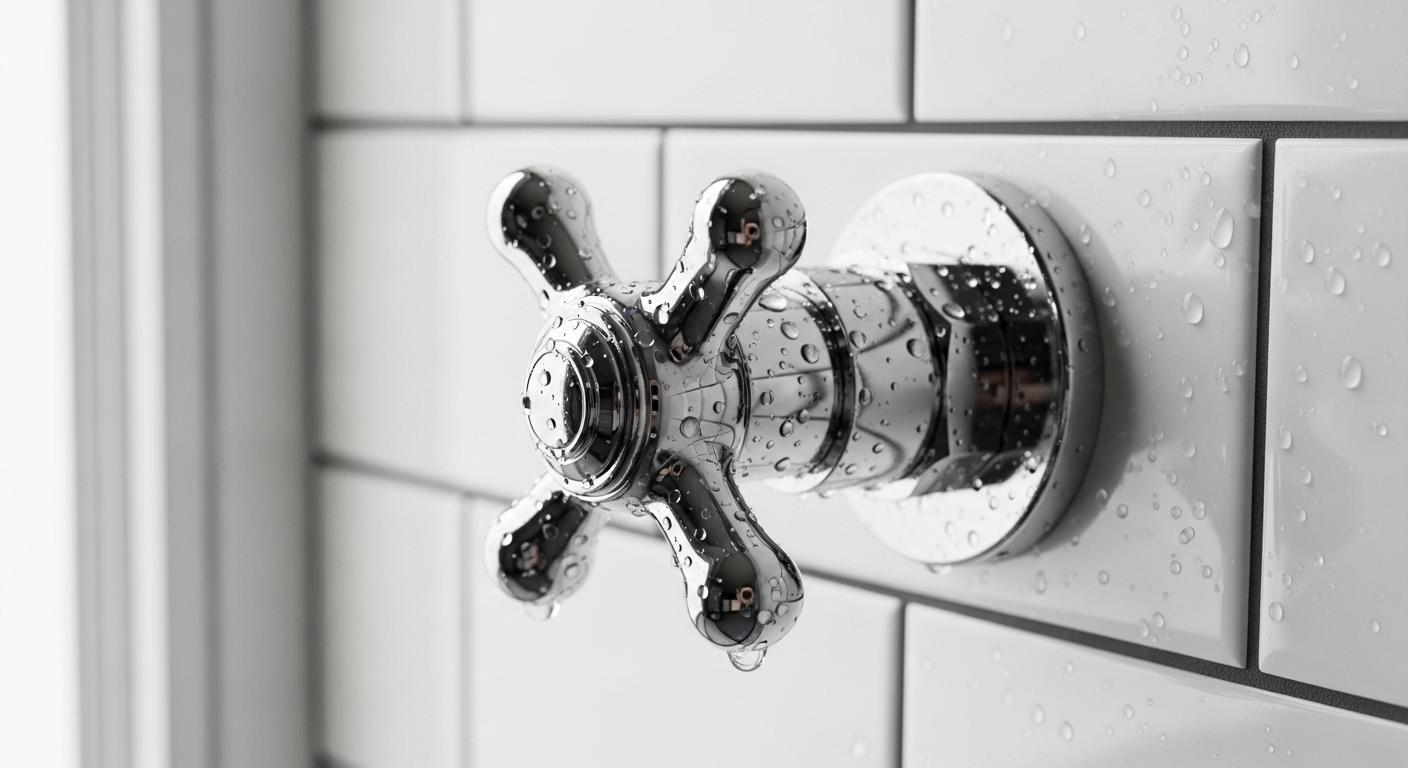
If you’re shopping for new shower faucet knobs, you’re not just buying a piece of hardware — you’re buying the everyday tactile interface between you and your morning shower. The right knob spins smoothly after ten thousand cycles, resists pitting from steam and shampoo splash, and locks onto your valve stem without wobble. The wrong knob strips out, drips, or clashes with the rest of your shower trim within a season. At wowowfaucet-net we’ve spent the better part of a decade engineering shower trim that survives real American bathrooms, and this guide distills what we’ve learned into a single, no-nonsense buyer’s reference.
Whether you’re replacing a cracked plastic knob on a thirty-year-old tub-shower combo, upgrading to a matching brushed-gold set, or specifying out knobs for a new construction build, the decisions you make here affect comfort, water efficiency, and resale value. Let’s walk through it.
Why Shower Faucet Knobs Matter More Than You Think
People underestimate shower faucet knobs because they look like simple accessories. In reality, the knob is a mechanical lever that transfers your hand’s torque directly to the valve cartridge. A poorly designed knob makes a perfectly good cartridge feel cheap; a great knob makes even a mid-tier valve feel premium. Three things separate a good knob from a bad one:
- Material density. Solid forged brass knobs weigh roughly two to three times what hollow zinc-alloy knobs weigh. The added mass damps vibration and gives a satisfying “thunk” when you shut off the water.
- Broach fit. The internal splines that grip the valve stem must match exactly — typically 20-point, 16-point, or a flat-sided D-shape. A loose broach causes the knob to slip and eventually round off the stem.
- Finish bonding. PVD (physical vapor deposition) finishes bond at a molecular level and resist the abrasive cleaners that destroy electroplated chrome within a couple of years.
If you’re not sure whether your current setup is even worth saving, our breakdown of how to tell if your faucet needs replacing walks through the symptoms — sticky handles, persistent drips, and stem corrosion are all signs the knobs are doing extra work to mask a failing valve underneath.
The Six Main Types of Shower Faucet Knobs
Shower knobs fall into six broad families. Each has a distinct feel and a distinct mechanical advantage. Pick based on who’s using the shower (kids, elderly parents, ADA needs) and the era of your bathroom design.
1. Cross Handles
The classic four-spoke cross handle is the most traditional option. It offers excellent grip when wet because your fingers naturally hook around the spokes. Cross handles pair beautifully with vintage and transitional bathrooms and almost always come in polished chrome, polished nickel, or unlacquered brass.
2. Lever Handles
A single horizontal lever is the easiest knob to operate with a wet, soapy hand — or with a closed fist or elbow if you have arthritis. Lever handles are the default for ADA-compliant bathrooms and the dominant style in modern minimalist showers.
3. Round Knobs
Smooth round knobs (sometimes called “ball knobs”) give a clean, sculptural look. They require more grip strength than lever or cross handles, which makes them a poor choice for households with elderly users but a great choice for design-forward primary bathrooms.
4. Oval and Football Knobs
These elongated knobs split the difference between a round knob and a lever. You get more torque than a round but a softer profile than a stark horizontal lever.
5. Joystick Handles
Found mostly on high-end pressure-balance and thermostatic valves, joystick knobs move up/down for volume and side-to-side for temperature. They’re intuitive once you learn them and feel surprisingly premium.
6. Knurled and Industrial Knobs
Knurled cylindrical knobs (think machined aluminum or brass with a textured grip pattern) are the newest trend, particularly in industrial loft conversions and “Brooklyn”-style bathrooms. They look fantastic but the deep texture can trap soap scum if you don’t wipe them weekly.
Comparison Table: Shower Faucet Knob Types at a Glance
| Knob Type | Best For | Grip When Wet | Typical Price Range (per knob) | Style Era |
|---|---|---|---|---|
| Cross Handle | Traditional, vintage, farmhouse | Excellent | $18 – $65 | 1900s – present |
| Lever Handle | Modern, ADA-compliant, family bathrooms | Excellent | $15 – $55 | 1980s – present |
| Round Knob | Minimalist, contemporary, hotel-style | Fair | $12 – $45 | 1960s – present |
| Oval / Football | Transitional designs | Good | $16 – $50 | 1990s – present |
| Joystick | Thermostatic / pressure-balance valves | Excellent | $45 – $180 | 2010s – present |
| Knurled / Industrial | Loft, industrial, modern luxe | Excellent | $30 – $95 | 2020s – present |
Choosing the Right Finish for Steam, Splash, and Soap
A shower environment is the harshest finish test in any home — constant humidity, daily temperature swings, hot water mixed with shampoo surfactants, plus weekly contact with cleaning chemicals. Not every finish survives. Here are the finishes you’ll encounter on quality shower faucet knobs and how they hold up:
- Polished Chrome. The industry workhorse. Affordable, mirror-bright, and chemically resistant. Still very much in style for transitional and traditional bathrooms — we tackled the “is it dated?” question in our piece on whether chrome finish is out of style in 2026.
- Brushed / Satin Nickel. A warmer, softer alternative to chrome. Hides water spots and fingerprints exceptionally well. If you’re torn between the two, the side-by-side in polished chrome vs. satin nickel covers it in depth.
- Matte Black. Now a top-three seller across the U.S. PVD matte black is virtually scratch-proof; powder-coated matte black is not — ask the manufacturer which one they use.
- Brushed Gold / Champagne Bronze. The warm-tone darling of 2024-2026. Pairs beautifully with white, cream, and walnut palettes.
- Oil-Rubbed Bronze. A living finish that develops a patina. Stunning in craftsman and farmhouse settings but not for everyone.
- Unlacquered Brass. The ultimate vintage statement. It will tarnish to a deep amber over years — that’s a feature, not a flaw, but only if you want it.
Whatever finish you choose, demand PVD. Look for a manufacturer warranty that explicitly covers finish (not just leaks). At wowowfaucet-net our PVD shower knobs carry a limited lifetime finish warranty backed by accelerated salt-spray testing per ASTM B117 — the same standard used by automotive manufacturers.
Valve Compatibility: Why Your New Knob Might Not Fit
Here’s the part most buyers skip — and then regret. A shower knob is only half of a system. The other half is the valve cartridge stem buried inside the wall. Knobs and stems must mate via a specific broach pattern. The most common patterns in American showers are:
- 20-point broach. Used by many Moen, American Standard, and Delta cartridges. Look for twenty small splines around the stem.
- 16-point broach. Common on older Price Pfister, Kohler, and some import valves.
- D-shape / flat-sided. A flat shaved into one side of an otherwise round stem. Frequent on European-style thermostatic cartridges.
- Square broach. Older Delta single-handle valves use a small square stem.
- Set-screw round. A smooth round stem with the knob secured by a set screw — common on premium thermostatic systems.
If you replace just the knob without verifying broach pattern, you’ll end up with a knob that spins freely on the stem or won’t seat at all. The fix is simple: pop your old knob off (usually a single Allen screw under a decorative cap), photograph the stem from straight above with a coin for scale, and match the broach before ordering. If your old cartridge is so corroded the knob won’t budge, our guide to fixing a faucet cartridge that’s stuck covers the lubrication and removal hacks that save the day.
Single-Handle vs. Two-Handle vs. Three-Handle Shower Setups
Your existing valve dictates how many knobs you need and what they control. Understanding the layout is critical when shopping for replacements.
Single-Handle (One Knob)
One knob controls both volume and temperature. Most modern construction uses this setup with a pressure-balance valve that prevents scalding when someone flushes a toilet.
Two-Handle (Hot and Cold)
Separate hot and cold knobs flanking a central spout or diverter. The classic 1950s-1990s American shower configuration. You’ll often replace both knobs at once for a matched look.
Three-Handle (Hot, Cold, Diverter)
Hot, cold, and a center knob that diverts water between the tub spout and the shower head. Common in tub-shower combos from the 1960s-1980s. Replacement knob sets are usually sold as three-piece kits.
Thermostatic Setups
A premium configuration with one knob for temperature (set and forget) and a separate volume/diverter knob. Found in walk-in showers with multiple spray functions.
How to Measure for Replacement Shower Faucet Knobs
Before you order, you need three numbers:
- Stem diameter. Measure across the splined section with calipers, in millimeters.
- Broach count. Count the splines (or note “D-shape” or “square”).
- Stem length above the wall. Measure from the wall surface (or the trim plate face) to the top of the stem. Most knobs accommodate 1/2 to 1 inch of stem.
If you have a deep-wall installation where the stem is recessed too far into the wall, you’ll need a stem extension kit before the new knob can engage. Most reputable brands sell extensions in 1/4-inch and 1/2-inch lengths.
Installing New Shower Faucet Knobs: The 15-Minute DIY
Most knob swaps are genuinely easy. Here’s the workflow that works ninety percent of the time:
- Shut off the water at the main valve. Open the existing shower knob to confirm pressure is zero.
- Pry off the decorative button or cap on the front of the existing knob with a small flat-blade screwdriver.
- Remove the exposed Allen or Phillips screw underneath.
- Pull the old knob straight off. If it’s stuck from corrosion, apply a few drops of penetrating oil, wait fifteen minutes, and try again. Never pry sideways — you’ll bend the stem.
- Wipe the stem clean with a microfiber cloth. Apply a thin film of plumber’s silicone grease to the splines.
- Slide the new knob on. It should engage with a definite click or stop. Reinstall the set screw.
- Reinstall the decorative cap. Turn the water back on and test.
If your knob is loose after installation, you almost certainly have a broach mismatch — return it. If it’s tight but the water trickle is weak, the valve cartridge itself may need attention; that’s separate from the knob.
Common Problems and How Knob Quality Helps
A surprising number of shower complaints trace back to the knob rather than the valve. A few examples:
- Knob spins past the off position. Stripped broach. Replace the knob, and if the stem is also rounded, replace the cartridge.
- Knob is hard to turn. Mineral buildup inside the cartridge. Sometimes a knob upgrade with a longer lever arm gives you the leverage you need short-term while you plan a cartridge service.
- Knob drips after shut-off. Almost never the knob — that’s a cartridge or seat issue. But a sloppy knob can mask it by not closing the cartridge fully.
- Knob wobbles. Either a loose set screw or a worn broach. Tighten the screw first; if it persists, replace the knob.
For broader water pressure issues that knob upgrades can’t solve, see our step-by-step on how to fix low water pressure in your shower.
Matching Knobs to the Rest of Your Shower Trim
One overlooked rule: your shower knobs should match your shower head, tub spout, and any body sprays in both finish and design language. Mixing a polished chrome lever knob with a matte black rainfall shower head looks like a renovation got abandoned halfway. When you buy from a single manufacturer’s collection, the finishes are batch-matched so the chrome on the knob is the exact same hue as the chrome on the shower head.
If you’re starting fresh and considering whether a rain-style shower head is worth pairing with your new knobs, our analysis of whether rain showers are really worth the investment lays out the trade-offs in pressure, water use, and ceiling clearance.
Sustainability and Long-Term Value
A well-built shower knob in solid brass with a PVD finish should last twenty-plus years. A bargain-bin zinc-alloy knob with electroplated finish often fails within three to five. The math is simple: spending $40 once beats spending $15 four times, and that’s before you factor in the labor of repeated swaps and the landfill cost of disposable hardware. Solid brass is also one hundred percent recyclable at end of life.
About the Author and wowowfaucet-net
This guide was written by the wowowfaucet-net product education team — a group of plumbing professionals, industrial designers, and certified plumbing inspectors who collectively hold more than fifty years of hands-on experience with residential and commercial bathroom fixtures. Every product we sell is third-party tested to NSF/ANSI 61 for drinking water safety, ASME A112.18.1 for plumbing fixture fittings, and CALGreen lead-content limits. Our shower knobs ship with a limited lifetime mechanical and finish warranty, and our U.S.-based customer support team can walk you through compatibility checks before you order.
FAQ
Can I replace just one shower faucet knob, or do I have to replace all of them?
You can absolutely replace a single knob — as long as you match the broach pattern and finish exactly. That said, finishes from different production batches (even within the same brand) can vary subtly. If aesthetics matter, swap the full set so all knobs age and reflect light identically.
Are shower faucet knobs universal?
No. While many brands have settled on common broach patterns like 20-point splines, there is no single universal standard. Always identify your existing valve’s brand and stem type — or take the old knob to a plumbing supply store for a physical match — before buying.
How do I remove a stuck shower faucet knob without damaging the valve?
Apply penetrating oil to the base of the knob where it meets the trim plate and let it sit for fifteen to thirty minutes. Then use a faucet handle puller (about $15 at any hardware store) to draw the knob straight off without sideways force. Never use pliers on the knob exterior — you’ll scar the finish and likely bend the stem.
What finish is most durable for shower faucet knobs?
PVD-coated finishes (especially PVD matte black, PVD brushed nickel, and PVD brushed gold) are the most durable available today. They resist scratches, chemicals, and abrasive cleaners far better than traditional electroplating. Look for the letters “PVD” in the product specs, not just in marketing copy.
Why does my new shower faucet knob feel loose even after tightening the screw?
The broach inside the knob doesn’t match the splines on your valve stem. This is the single most common cause of post-install wobble. Pull the knob, photograph the stem, count the splines, and re-order a knob with the correct broach. A loose knob will round off the stem within weeks of use.
How much do shower faucet knobs typically cost in 2026?
Quality solid-brass knobs run $15 to $65 per knob for standard styles, and $45 to $180 per knob for thermostatic or joystick designs. Avoid anything significantly below $15 — those are almost always hollow zinc with electroplated finishes that will fail quickly.
Do I need a plumber to replace shower faucet knobs?
For a straight knob swap with no valve work, no — this is a fifteen-minute DIY job with a single Allen wrench. If you discover stem corrosion, a stripped broach on the valve itself, or a leak when you remove the old knob, then yes, call a licensed plumber.
您好!Sign In