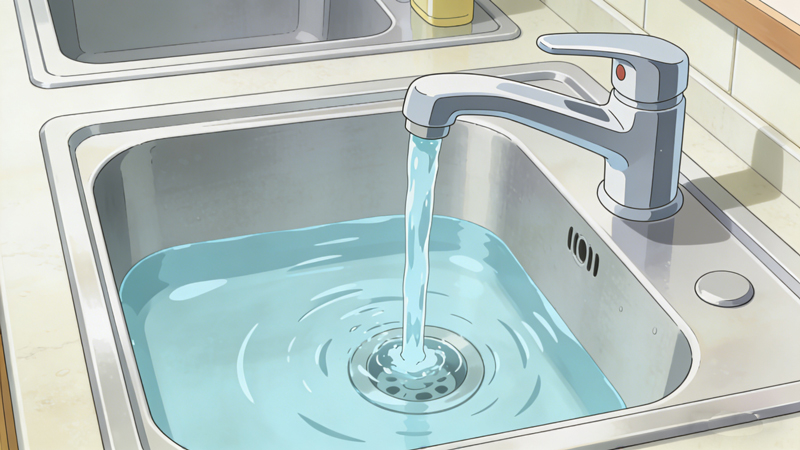
A slow-draining faucet is more than an inconvenience—it’s a sign that something in your sink system isn’t functioning properly. Whether you’re dealing with a sluggish bathroom sink, a kitchen drain that backs up, or a faucet that leaves standing water long after use, slow drainage usually points to buildup, blockages, or mechanical issues that need attention. Left untreated, the problem often worsens, eventually leading to complete clogs, foul odors, and even plumbing damage.
This article explains the most common reasons your faucet drains slowly, the hidden causes homeowners often overlook, and the steps you can take to restore smooth, efficient drainage.
1. Buildup Inside the Drain Pipe
The most common cause of a slow-draining faucet is blockage inside the drainpipe. Over time, everyday materials gradually collect on the pipe walls, narrowing the passage and slowing water flow.
Bathroom sinks typically accumulate:
-
Hair
-
Toothpaste residue
-
Soap scum
-
Shaving cream
-
Lotion, makeup, and skincare oil buildup
Kitchen sinks accumulate:
-
Grease and cooking oils
-
Food particles
-
Dish soap sludge
-
Ground coffee
-
Small bits of debris washed down the drain
Even though each bit seems small, they harden and mix into a sticky mass over time. When drainage slows, it means the passageway has already narrowed significantly.
Fix:
Use a drain snake or hair remover tool to pull out debris. For kitchen sinks, a mixture of hot water and a safe enzyme cleaner can dissolve organic buildup. Avoid pouring boiling water into porcelain sinks, as rapid temperature changes can cause cracking.
2. Clogged or Dirty P-Trap
The P-trap—the curved pipe under your sink—often collects debris. Its shape is designed to hold water that blocks sewer gas, but it also traps materials that fail to pass through the system.
Signs your P-trap is clogged:
-
Slow drainage
-
Gurgling noises
-
Mild odors
-
Water backing up occasionally
Hair, grease, food particles, and grime slowly block the curve, forcing water to drain more slowly each day.
Fix:
Place a bucket under the trap, loosen the slip nuts, and remove the P-trap. Clean it thoroughly using a brush and rinse with warm water before reinstalling it.
3. Mineral Deposits from Hard Water
If your home has hard water, minerals such as calcium and magnesium accumulate inside pipes over time. These deposits form hard, crusty layers that narrow the waterway. While more common in older galvanized or copper pipes, mineral buildup can affect any plumbing system that regularly experiences hard water flow.
Symptoms of mineral blockage:
-
Slow drainage despite no visible clog
-
White or chalky residue around faucet or aerator
-
Reduced water pressure in multiple fixtures
Fix:
If minerals are the culprit, chemical descalers can help, but serious buildup requires a plumber to descale or replace affected pipes. Installing a water softener prevents future problems.
4. Blocked or Misaligned Pop-Up Stopper
Many bathroom sinks use a pop-up drain stopper operated by a lift rod behind the faucet. Over time, this mechanism collects hair, soap, and debris that prevents water from flowing freely.
Common issues include:
-
Stopper not opening fully
-
Stuck or misaligned linkage rod
-
Hair wrapping around the stopper post
-
Black slime buildup on the stopper head
Even a partially blocked stopper significantly slows drainage.
Fix:
Remove the stopper by loosening the clevis or ball rod under the sink, clean it thoroughly, and reinstall it. Ensure the stopper opens fully when the lift rod is raised.
5. Venting Problems in the Plumbing System
Your plumbing system uses vent pipes—usually routed through the roof—to allow air into the system and prevent negative pressure. When a vent becomes blocked by debris, leaves, ice, or even small animals, drainage slows dramatically.
Signs of a vent blockage:
-
Slow drainage from multiple faucets
-
Gurgling sounds in drains
-
Water bubbling in other fixtures
-
Sewer gases escaping from drains
Without proper venting, water cannot flow smoothly through the pipes.
Fix:
Roof vents must be inspected and cleared. Homeowners can remove light debris, but for deep blockages or inaccessible roofs, professional plumbers should handle the job.
6. A Clogged Main Drain or Sewer Line
If multiple sinks drain slowly—or if a single sink worsens when other fixtures are used—your main drain or sewer line may be partially blocked. Causes include:
-
Tree root intrusion
-
Grease buildup
-
Collapsed sewer pipes
-
Foreign objects
-
Long-term sediment accumulation
A partial sewer line clog drastically reduces drainage speed throughout the home.
Fix:
A plumber can perform hydro-jetting or use a motorized auger to clear the line. In severe cases, a section of pipe may need replacement.
7. Faulty or Poorly Installed Drain System
Sometimes the issue stems from improper installation, especially in newer homes or recent remodels.
Examples include:
-
Pipes installed at incorrect slope
-
Too many bends or sharp angles
-
Improperly sized pipes
-
Misaligned drain connections
-
Cheap or defective drain assemblies
Water drains slowly simply because it cannot move efficiently through the system.
Fix:
Proper diagnosis by a plumbing professional is essential. Adjusting pipe slope or replacing badly designed sections often restores proper flow.
8. Airlock in the Drain Line
Air trapped inside the drain line can slow water movement. This can occur when pipes aren’t vented correctly or when water flow is obstructed by a partial clog.
Symptoms:
-
Slow drainage after heavy use
-
Gurgling sounds
-
Intermittent speed improvements
Fix:
Clearing the blockage often eliminates the airlock. If it persists, the drain vent may need adjustment.
Final Thoughts
A slow-draining faucet may start as a small annoyance, but it’s almost always a symptom of an underlying problem. Whether it’s hair buildup, grease, mineral deposits, a clogged P-trap, a faulty stopper, or issues further down the plumbing system, addressing the cause promptly prevents bigger and more expensive plumbing failures.
With the right maintenance and timely repair, your sink can drain efficiently again—keeping your bathroom or kitchen clean, functional, and hassle-free.