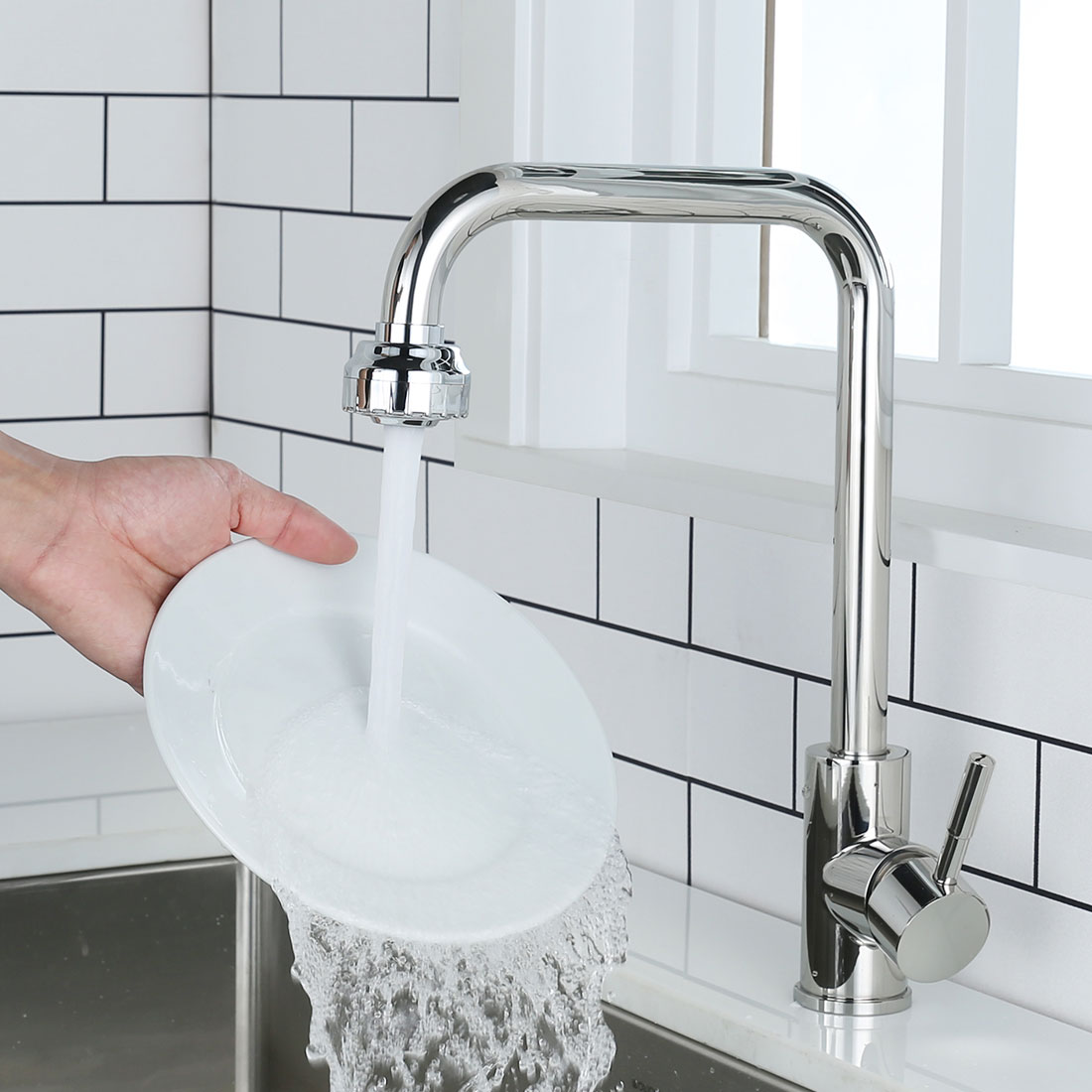
A hot and cold water faucet has to control two separate water supplies at once, so it needs to be built to a higher standard than a simple single-supply tap. It must mix temperatures smoothly without scalding surprises, stay drip-free for years, and resist corrosion even with constant exposure to moisture and minerals. Whether you are replacing a tired bathroom faucet or choosing one for a brand-new sink, taking a few minutes to compare designs, materials and internal parts will help you buy a faucet that feels good every time you use it and lasts for years.
Start with the two main designs
Hot and cold faucets come in two broad forms. A mixer faucet uses a single spout and blends hot and cold water inside one body, which is the standard for almost all modern kitchens and bathrooms. Separate hot and cold taps deliver water through two spouts and are now mostly seen on older or traditional-style sinks. For day-to-day comfort, easier temperature control and a cleaner look, a mixer faucet is almost always the better choice.
Check the finish before anything else
A well-made faucet should have a smooth, even finish with no bubbles, scratches or visible defects, often called the three-no rule. There is also a quick real-world test: press a finger lightly against the surface. If the fingerprint fades quickly, the plating is usually dense and well applied; if the mark lingers, the coating may be thin or porous. Chrome, brushed nickel and matte black are all durable when the plating quality is right, while PVD-coated finishes offer the best scratch resistance.
Choose a ceramic disc cartridge
The cartridge is the part that actually controls water flow and temperature, and it is the single most important component inside the faucet. Ceramic disc cartridges are the best choice for most homes because they resist heat and wear, move smoothly and are far less likely to drip than the rubber washers and compression valves used in older faucets. A good ceramic cartridge can keep the faucet operating quietly and drip-free for five years or more, which is why reputable manufacturers build their products around one.
Single handle versus double handle
Single-handle faucets let you adjust both flow and temperature with one lever, which is fast, easy and ideal for busy kitchens. Double-handle faucets control hot and cold water separately, giving you finer temperature control and a more traditional appearance. If you regularly need precise temperature – for example, when filling a bath or washing a child – a double-handle design is worth the extra moment it takes to adjust.
Material, weight and lead safety
The body should be solid low-lead brass or 304 stainless steel rather than lightweight zinc alloy. Solid materials are heavier, more durable and safer for drinking water because they are less likely to leach metals. When possible, look for NSF/ANSI 61 certification, which confirms the faucet has been tested for safe lead levels. As a rough guide, a heavier faucet that feels solid in your hand is usually the better-built product.
Match the mounting style to your sink
Before buying, count the mounting holes in your sink and measure the distance between them. Single-hole faucets need one hole, centerset faucets need three holes spaced four inches apart, and widespread faucets use three holes spaced farther apart. Choosing the wrong configuration means extra drilling or a return trip, so it is worth checking first. Also confirm the spout height and reach so the water lands where you want it without splashing.
Think about handle ergonomics and flow rate
The handle should feel comfortable in your hand and move through its full range without binding or grinding. A lever-style handle is easier to operate with wet or soapy hands, while knob handles suit more classic designs. Also check the flow rate: if you want to save water, look for a model with a WaterSense label or an aerator that limits flow without making the stream feel weak.
Frequently asked questions
What is better, a mixer faucet or separate hot and cold taps?
A mixer faucet is easier to use and gives smoother temperature control, which is why it has become the standard for modern homes.
Why is a ceramic cartridge so important?
Ceramic cartridges are hard-wearing and leak-resistant, so they keep the faucet smooth and drip-free far longer than older rubber or compression seals.
How do I know if a faucet finish is good?
Look for a smooth, bright surface without pits or scratches, and use the fingerprint test – a good finish sheds the mark almost immediately.
Should I choose single handle or double handle?
Single handle is more convenient, while double handle gives finer temperature control. The right choice depends on your routine and the look you want.
Do faucets really leach lead?
Cheap brass and some alloys can release lead, so choose low-lead brass or stainless steel and look for NSF/ANSI 61 certification.
What flow rate should I choose?
Around 1.2 to 1.5 gallons per minute is comfortable and water-efficient for a bathroom faucet, while kitchen faucets are often slightly higher.
Once you know what to look for, compare your options among our bathroom faucets and kitchen faucets to find a hot and cold faucet that matches your sink, style and budget.
Key takeaways
- A mixer faucet is usually easier and safer than separate hot and cold taps.
- Look for a smooth finish, a solid low-lead body and a ceramic disc cartridge.
- Single-handle is convenient; double-handle gives finer temperature control.
- Check the sink’s mounting holes and measure the spacing before you buy.
- NSF/ANSI 61 certification is a useful signal of lead safety.
Branded or generic, and warranty
A recognized brand usually offers more consistent quality, replacement parts and after-sales support than an unbranded faucet. Before buying, check the warranty period and what it covers – many quality faucets carry a five-year or longer warranty on the finish and cartridge, which is a good indication of the manufacturer’s confidence in the product.
Should I buy a branded faucet or a generic one?
A branded faucet is generally the safer choice because parts, warranty and support are easier to rely on over the life of the fixture.