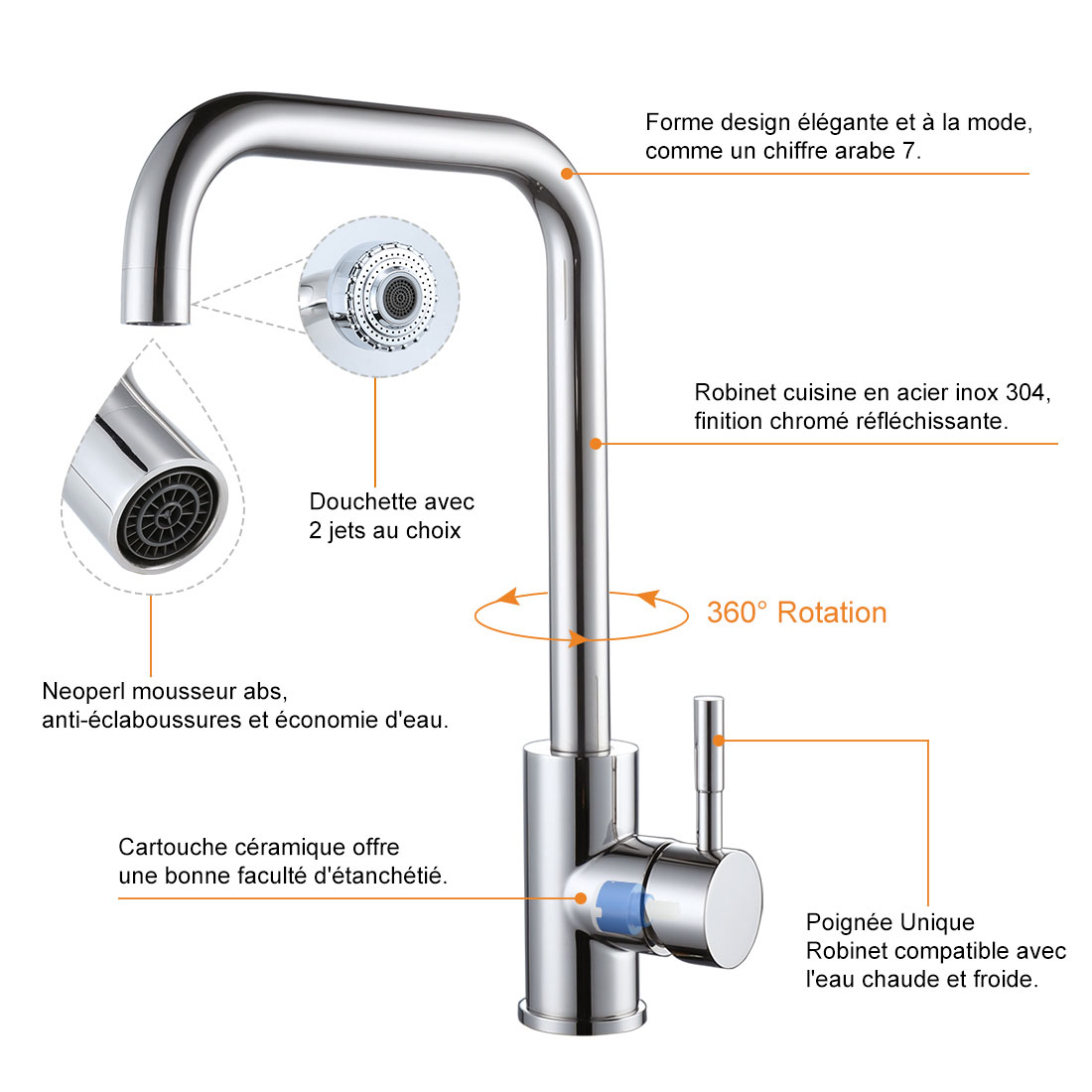
Many people notice a crusty white or brown buildup around the base of a faucet and wonder whether it is more than a cosmetic problem. That buildup is usually mineral scale, and it can affect both how the faucet works and the quality of the water that comes out of it. Regular cleaning keeps the water flowing freely, protects the internal parts and gives you peace of mind about what you and your family are drinking.
What scale is and why it builds up
Scale is the hard deposit left behind when hard water evaporates. Hard water contains dissolved calcium and magnesium, and when the water dries on a metal surface, those minerals stay behind and slowly accumulate. Inside a faucet, the same process happens around the aerator, cartridge and valve, where it can form a crust that restricts water flow and traps sediment and bacteria.
How scale affects water flow
The first sign of internal scale is usually a gradual drop in water pressure. As mineral deposits collect on the aerator screen and inside the spout, the opening becomes narrower and the stream weakens or sprays unevenly. In a hot-water faucet, scale builds up even faster because heat accelerates mineral precipitation. Cleaning the aerator and flushing the faucet usually restores normal flow.
Health concerns around scale and biofilm
Mineral scale itself is not toxic, but it creates a rough surface where bacteria, mold and biofilm can attach and grow, especially in warm, damp conditions. Over time, sediment and organic matter can collect in the deposits. Regular cleaning and flushing help remove these reservoirs, which is why keeping the inside of a faucet clean is as important as wiping the outside.
Safe cleaning methods for faucet scale
To remove exterior scale, soak a soft cloth in white vinegar and wrap it around the affected area for several minutes, then wipe and rinse. For the aerator, unscrew it and soak the disassembled parts in vinegar, then scrub gently with an old toothbrush. Never use steel wool, bleach or harsh acids, which can scratch the finish and release damaging particles into the water.
Preventing scale buildup
The best way to control scale is to reduce the minerals that cause it. A whole-house water softener or a point-of-use filter can make a big difference in hard-water areas. Simple habits also help: dry the faucet after use, clean the aerator every few months, and flush the pipes after any plumbing work. If you notice colored or cloudy water, run the cold tap for a minute to clear settled sediment.
When to descale or replace a faucet
If the faucet has heavy internal scale that restricts flow even after cleaning, or if the finish is pitted and the cartridge keeps failing, it may be time to replace it. A faucet that is more than five to eight years old and has been repeatedly repaired often costs more to maintain than a new quality fixture. When you replace it, choose low-lead brass or stainless steel to protect water quality from the start.
How to flush a faucet to clear sediment
If you notice small particles or a metallic taste, flush the faucet before drinking from it. Remove the aerator, then run the cold water for a minute or two to push loose sediment out of the line. For a deeper flush, turn on both hot and cold taps and let the water run while you clean the aerator separately. This is especially helpful after plumbing repairs, when debris can be introduced into the pipes.
Choosing materials that resist scale and corrosion
The material of the faucet also affects how much scale and corrosion you deal with. Solid low-lead brass and 304 stainless steel resist internal corrosion far better than zinc alloy, and a quality finish sheds mineral spots more easily. When you buy a faucet, treat material choice as part of your long-term maintenance plan, because the right material means less scrubbing and fewer replacements later.
What to do if your water quality changes
If the water suddenly tastes metallic, smells unusual or comes out discolored, stop and investigate before assuming it is just scale. Check whether the problem appears at one faucet or the whole house, and flush the affected fixture. Persistent changes may point to corroding pipes, a failing water heater or a supply issue, and are worth checking with a water test or a plumber.
Scale and your water heater
The same minerals that build up on a faucet also settle in your water heater, where they reduce efficiency and shorten the tank’s life. If your faucets scale quickly, the water heater is almost certainly doing the same. Flushing the water heater annually and treating hard water at the source protects the whole plumbing system, not just the fixtures.
Frequently asked questions
Is the white buildup on my faucet dangerous?
Mineral scale is not toxic, but it can harbor bacteria and biofilm, so it is worth cleaning regularly for water quality and appearance.
Why does my hot-water faucet get more scale?
Heat speeds up mineral precipitation, so hot-water faucets tend to accumulate scale faster than cold-water faucets.
How do I remove heavy scale safely?
Soak the area or parts in white vinegar, scrub gently with a soft brush, and rinse thoroughly. Avoid abrasive or harsh acidic cleaners.
Can scale reduce water pressure?
Yes. Scale narrows the aerator and internal passages, which weakens the stream and can make it spray unevenly.
How can I prevent scale in a hard-water home?
A water softener or whole-house filter reduces the minerals that form scale, and drying the faucet after use helps prevent surface deposits.
When should I replace a heavily scaled faucet?
Replace it when cleaning no longer restores flow, the finish is damaged, or the cartridge keeps failing despite maintenance.
Does boiling water remove faucet scale?
Boiling water does not remove existing scale and can make hard-water deposits worse over time. Vinegar descaling and regular flushing are more effective.
Keeping scale under control protects both your plumbing and your water. If your faucet is past the point of easy maintenance, explore our bathroom faucets for quality fixtures made from safe, corrosion-resistant materials.