A faucet-mounted filter can be a convenient purchase when it addresses a known need and fits the existing fixture. It can also be an expensive disappointment when chosen from broad claims about purity, the number of filter stages, or an impressive-looking cartridge. The useful question is not whether a filter sounds advanced, but whether its documented performance matches the water problem you want to address.
Before comparing prices, identify the water source, the concern, and the available space. Then check the exact product listing, operating instructions, and replacement requirements. The following mistakes are common because they turn those practical checks into assumptions.
Mistake one: buying before identifying the concern
Taste, visible sediment, hardness, and a specific contaminant are different issues. Write down what you have observed and whether it affects all taps, only one fixture, or only one temperature setting. Check local water information and ask the supplier or an appropriate laboratory how to investigate a suspected quality problem.
Do not select a treatment device solely because a faucet looks dirty or an online advertisement lists alarming substances. The location of the problem matters. A clogged aerator needs maintenance, while a confirmed water-quality concern may need a treatment or plumbing response. NSF’s home-treatment guidance starts with understanding what is in the water. Keep the results and recommendations with your shopping notes so the purchase remains tied to an identified need rather than a general fear.
Mistake two: treating every certification as the same
Read the standard and the specific claim together. A product evaluated for taste and odor is not automatically certified for lead reduction or microbial treatment. Certification applies to an identified product and stated performance, not every claim a seller might place next to a logo.
Use an official certification directory or the certifier’s documentation to match the model and cartridge. NSF’s standards overview distinguishes aesthetic treatment under NSF/ANSI 42, health-related reduction claims under 53, and reverse-osmosis systems under 58. The numbers are not a simple better-to-worse ranking. Record the exact reduction claim that matters to you, and check operating limits and replacement requirements. If a listing is ambiguous, ask for clarification before assuming the device will provide the protection you want.
Mistake three: judging performance by stage count
A larger number of stages does not by itself establish better performance. Stage names may describe different materials, repeated layers, or functions that are irrelevant to your concern. Compare the complete system’s documented claims instead of awarding quality points for each layer mentioned in an advertisement.
Similarly, do not assume that one filter material guarantees complete removal of every unwanted substance. The design, contact conditions, capacity, and verified performance all matter. Ask what each stage is intended to do and whether replacement components must be used together. A simpler system with a clear, relevant claim may be easier to own than a complex one with vague documentation. Avoid products whose strongest argument is that the technology is newer, more expensive, or impossible to understand without trusting the seller.
Mistake four: overlooking the faucet connection
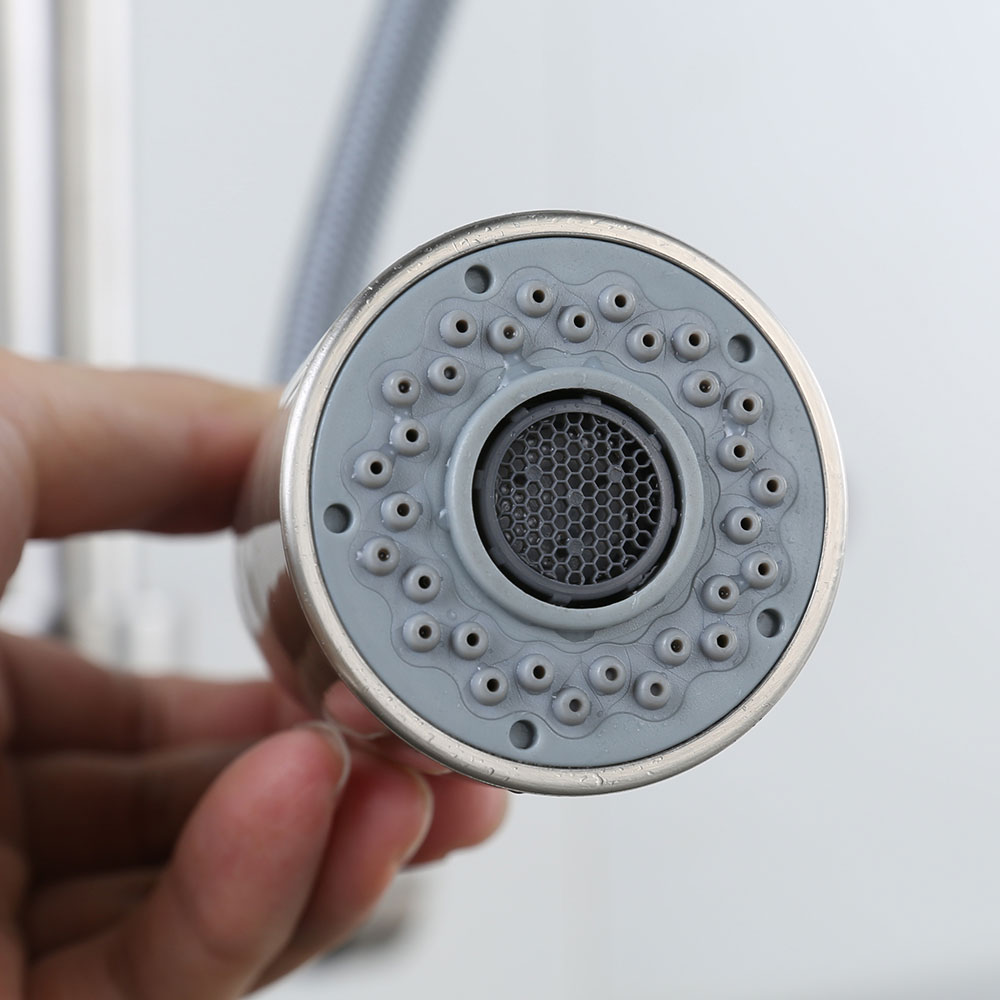
Faucet-mounted units need a suitable outlet and an approved attachment arrangement. Pull-down heads, unusual spouts, and some recessed outlets may not accept the proposed device. Confirm thread dimensions, adapters, clearance above the sink, and any restrictions in both the faucet and filter instructions.
Think about the added size and how it affects handwashing, pot filling, and spout movement. Do not force an adapter onto an uncertain thread or hang a unit from a fixture that is not designed for it. When comparing kitchen faucets, review filter compatibility as a specific requirement. Use bathroom faucets for basin needs without assuming a kitchen-mounted treatment accessory is suitable there. If the attachment will be awkward, consider another treatment arrangement that can meet the same documented goal.
Mistake five: ignoring cartridge limits and maintenance
Read the replacement criteria before buying. Capacity, elapsed time, water conditions, and usage can affect the required service interval. An indicator may be a useful reminder, but understand what it actually measures. Do not assume clear-looking water means a cartridge is still performing its certified function.
Check how to install, flush, and replace the cartridge, and whether the filter is restricted to cold water. Keep replacement instructions and note the installation date. Use the specified cartridge rather than an unverified lookalike if performance depends on that exact component. An easy initial purchase can become inconvenient when refills are difficult to identify or obtain. Plan for ongoing maintenance as part of the product choice, not as an optional extra to address after the first cartridge is exhausted.
Mistake six: comparing only the purchase price
List the device cost, expected cartridge use under your household pattern, adapters, and any installation work. Compare costs over the same period and state your assumptions. A low upfront price does not establish low ownership cost, while a high price does not prove relevant treatment performance.
Review the return conditions, support information, and availability of replacement cartridges. Save the certification listing and performance sheet with the receipt. Follow local advisories if the water supply changes; do not assume an ordinary household filter overrides a boil-water or other public-health notice. A good choice is one you can install correctly, maintain consistently, and explain in specific terms: this model is intended for this water concern under these documented operating conditions.
Frequently asked questions
Is a five-stage filter always better than a one-stage filter?
No. Stage count does not establish the performance relevant to your water. Compare the complete system’s verified claims and operating requirements. A larger number of layers can add complexity without addressing the concern that led you to shop.
Does certification mean every contaminant is removed?
No. Check the exact model, cartridge, standard, and reduction claim. A certification has a defined scope. Do not extend a taste-and-odor claim to unrelated substances or assume one successful test covers every possible water-quality concern.
Can I put a filter on a pull-down spray head?
Only if both manufacturers approve that combination and provide a compatible connection. Many attachment styles are designed for fixed outlets. Check weight, clearance, threads, and operating limits instead of using an improvised adapter.
Can I keep using a cartridge if water still tastes fine?
Follow its documented replacement criteria. Taste is not a reliable indicator of every treatment function. Record the start date and relevant usage information, and replace the cartridge as instructed even when the water looks unchanged.
Should a faucet filter be used during a water advisory?
Follow the issuing authority’s instructions for the specific advisory. Do not assume a normal household filter makes the notice irrelevant. Treatment capabilities vary, and the appropriate response depends on the reason for the advisory.
What documents should I keep after purchase?
Keep the model and cartridge numbers, performance sheet, certification information, operating manual, and replacement record. These details help you verify refills, troubleshoot installation, and reassess suitability if your water source or household use changes.